Hospitals
When Is CTG Scan Done in Pregnancy & Why Is It Important?
Apr 24 • 4 min read
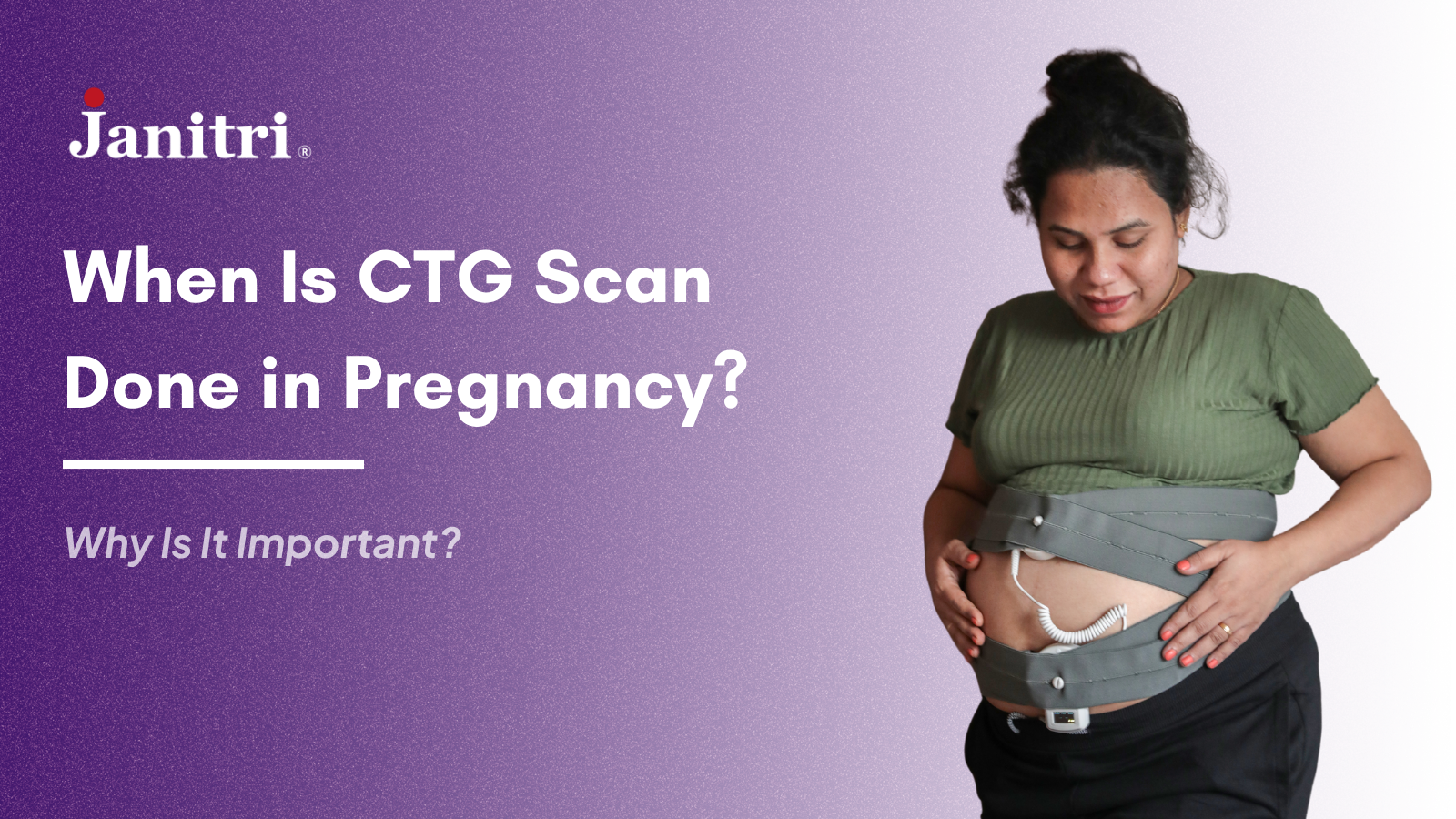
Table of Content
What Is a CTG Scan in Pregnancy?
How CTG Scan Works in Pregnancy
When Is CTG Scan Done in Pregnancy
1. Third Trimester Surveillance
2. High-Risk Pregnancy Monitoring
3. Reduced Fetal Movements
4. Clinical Indications
CTG Monitoring in Labour
Why CTG Scan Is Done
CTG Normal Fetal Heart Rate
CTG Scan vs Non Stress Test
Is CTG Scan Safe for Baby?
The Gap Between Monitoring and Action
Conclusion
FAQs
1. When is CTG scan done in pregnancy?
2. Why is CTG scan important?
3. How does CTG scan work in pregnancy?
4. What does CTG scan detect?
5. What is the difference between CTG and NST?
In a busy labour room, there is a moment every clinician recognizes. The shift from routine monitoring to focused attention. A line on the screen changes. A pattern feels off. In that moment, decisions matter.
This is where a ctg scan in pregnancy stops being just another test and becomes a critical tool, one that helps teams see what the baby cannot say.
For hospitals and care providers, the question is no longer whether to monitor, but how effectively it is being done.
What Is a CTG Scan in Pregnancy?
A ctg scan in pregnancy, or cardiotocography in pregnancy, is a non-invasive method used to continuously assess two vital parameters:
Fetal heart rate monitoring
Uterine contractions monitoring
It captures the rhythm of the baby heartbeat during pregnancy and correlates it with contractions, offering a real-time view of fetal well-being.
In clinical practice, fetal cardiotocography has become a cornerstone of intrapartum and antenatal surveillance, especially where timely intervention can prevent adverse outcomes offering a real-time view of fetal well-being, especially with continuous fetal monitoring in pregnancy
How CTG Scan Works in Pregnancy
A CTG setup uses two external sensors:
One placed on the abdomen to record fetal heart rate monitoring
Another to detect uterine contractions monitoring
These signals are translated into graphs through cardiotocography monitoring, allowing clinicians to interpret:
Baseline heart rate
Variability
Accelerations and decelerations
Understanding how ctg scan works in pregnancy is not just about the device. It is about interpretation. The difference between reassurance and escalation often depends on how these patterns are read and acted upon.
When Is CTG Scan Done in Pregnancy
The timing of a ctg scan in pregnancy is guided by clinical need rather than routine alone.
1. Third Trimester Surveillance
As part of pregnancy third trimester tests, CTG is commonly used to assess fetal well-being, especially when growth or movement patterns raise concern.
2. High-Risk Pregnancy Monitoring
In cases such as:
Hypertension
Gestational diabetes
Previous complications
High-risk pregnancy monitoring often includes repeated ctg scan during pregnancy to track fetal response over time.
3. Reduced Fetal Movements
When mothers report decreased movements, CTG becomes essential alongside baby movement tracking, helping differentiate between reassurance and early warning signs.
4. Clinical Indications
Understanding when is ctg scan required during pregnancy also includes:
Suspected fetal compromise
Post-term pregnancy
Maternal illness
For providers, this is where standardized protocols can significantly improve outcomes.
CTG Monitoring in Labour
During labour, the stakes change.
CTG monitoring in labour provides continuous insight into how the fetus is tolerating contractions. This is where continuous ctg monitoring becomes critical.
It supports:
Early detection of fetal distress signs
Timely decision-making for interventions
Improved coordination among clinical teams
Among various labor monitoring techniques, CTG remains one of the most widely used tools, but its effectiveness depends heavily on consistency and accurate interpretation.
Why CTG Scan Is Done
The purpose of a ctg scan in pregnancy goes beyond observation. It is about early detection.
It helps identify:
Changes in oxygen supply
Signs of fetal compromise
Stress responses during contractions
In answering what does ctg scan detect, it provides a continuous feedback loop that turns physiological changes into actionable data.
As part of broader prenatal monitoring methods, CTG plays a key role in preventing avoidable complications.
CTG Normal Fetal Heart Rate
A reassuring CTG typically shows:
Baseline fetal heart rate between 110 and 160 bpm
Moderate variability
Presence of accelerations
Understanding ctg normal fetal heart rate is essential, but recognizing deviations early is equally important.
Effective fetal heart rate monitoring is not just about numbers. It is about identifying trends and patterns over time.
CTG Scan vs Non Stress Test
A common point of confusion in clinical and patient communication is the difference between CTG and NST.
A ctg test in pregnancy often includes both fetal heart rate and uterine activity
A non stress test cardiotocography focuses primarily on fetal heart rate response to movement
When comparing ctg scan vs non stress test, it is helpful to view NST as a subset or specific application within broader cardiotocography in pregnancy.
Is CTG Scan Safe for Baby?
A frequent concern is safety.
The answer is clear. CTG is a non-invasive and safe procedure.
It does not emit harmful radiation and is widely used across global obstetric practices. Addressing questions like is ctg scan safe for baby is important for reassurance and improving compliance with monitoring.
The Gap Between Monitoring and Action
Despite its importance, the real challenge is not access to CTG. It is consistency in its use.
In many settings:
Monitoring is intermittent instead of continuous
Data is not centrally visible
Interpretation varies across providers
This is where evolving solutions such as connected and real-time ctg monitoring in pregnancy are beginning to bridge gaps.
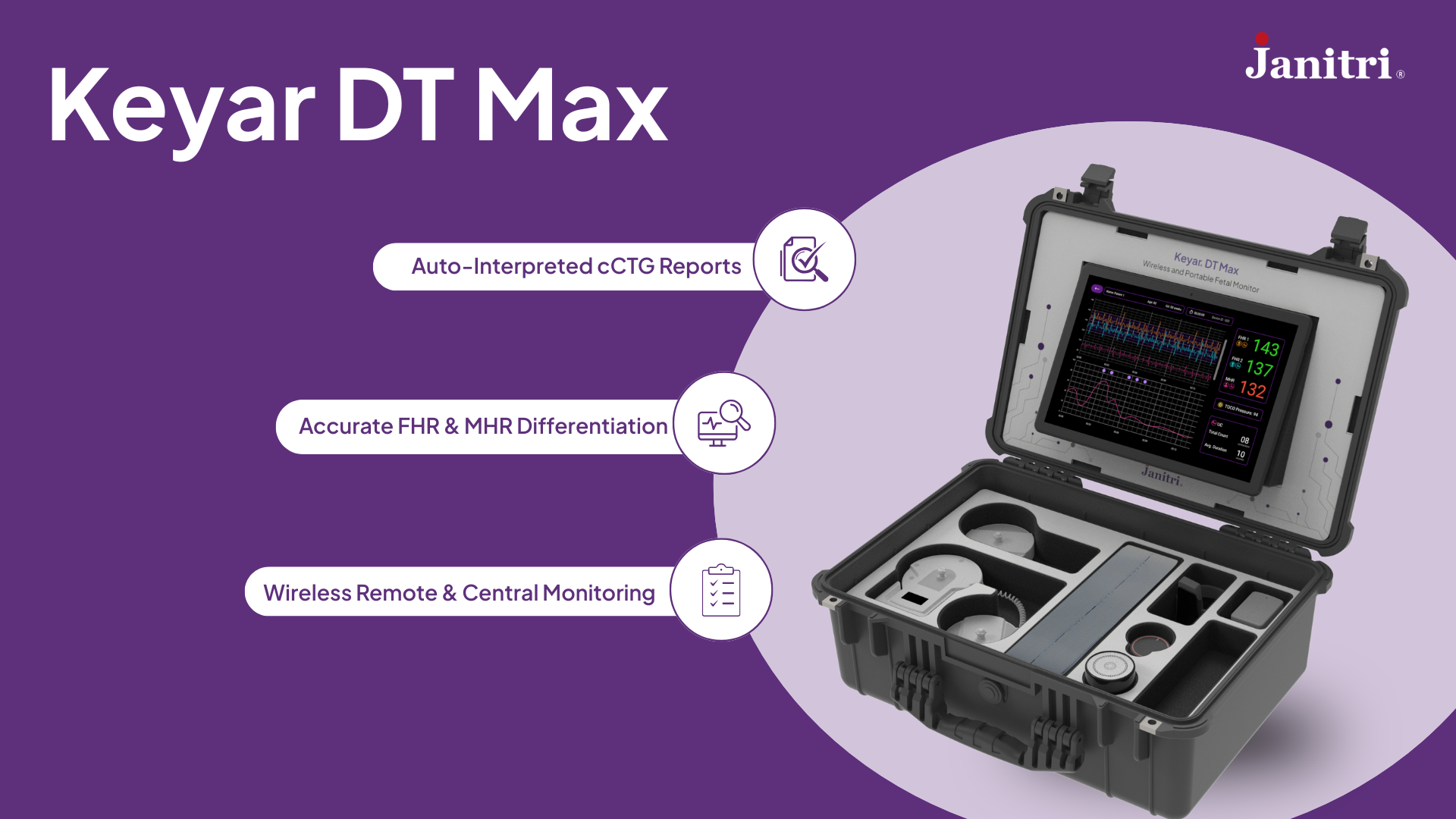
Platforms like Janitri enable:
Continuous monitoring without disrupting workflows
Centralized dashboards for better decision-making
Early alerts for fetal distress
The goal is not to replace clinical judgment. It is to strengthen it with timely and reliable data.
Conclusion
A ctg scan in pregnancy is more than a diagnostic tool. It is a safeguard.
For healthcare providers, it represents the ability to detect, respond, and prevent complications. Its true impact depends on how consistently and effectively it is integrated into care protocols.
In maternal care, it is often not the absence of tools but the absence of timely insight that makes the difference.
FAQs
1. When is CTG scan done in pregnancy?
CTG is typically done in the third trimester, during high-risk pregnancies, when fetal movements reduce, or during labour for continuous monitoring.
2. Why is CTG scan important?
It helps detect fetal distress, monitor oxygen supply, and guide timely clinical decisions.
3. How does CTG scan work in pregnancy?
It uses external sensors to track fetal heart rate and uterine contractions, displaying them as continuous graphs.
4. What does CTG scan detect?
It detects abnormalities in fetal heart rate patterns, contractions, and signs of fetal compromise.
5. What is the difference between CTG and NST?
NST focuses on fetal heart rate response to movement, while CTG provides a more comprehensive view including uterine contractions.