Mothers
How to Use a Newborn Pulse Oximeter at Home Safely – Step-by-Step Parent Guide
Feb 25 • 8 min read
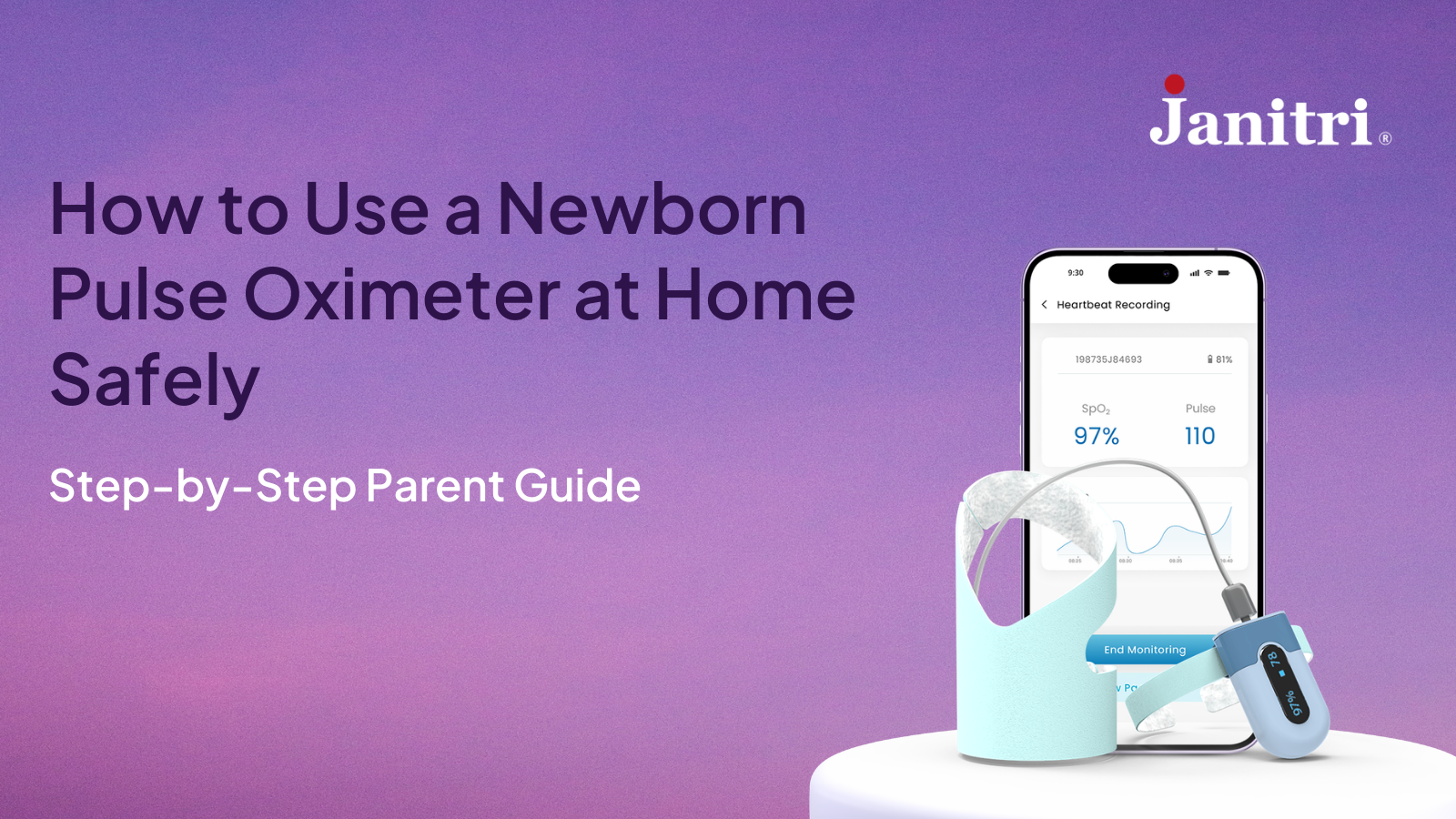
Table of Content
What Is a Newborn Pulse Oximeter?
Understanding Normal Oxygen Levels in Newborns
Normal SpO₂ Levels
Normal Newborn Pulse Rate
When Should You Use a
Step-by-step: How to use a Newborn Pulse Oximeter at Home Safely.
What to Look For:
Step 2: Prepare Your Baby Before Measuring Oxygen Levels
Preparation Checklist:
Step 3: Position the Pediatric Pulse Oximeter Correctly on the Foot
Correct Placement Guidelines:
Step 4: Turn On and Allow the Signal to Stabilize
During Measurement:
Step 5: Interpret Oxygen and Pulse Readings Correctly
Normal SpO₂ Reference Table
Normal Pulse Rate:
Step 6: Remove, Clean, and Store the Device Safely
Post-Use Care:
Newborn Pulse Oximeter Price Comparison (India)
Advanced Continuous & Infant-Ready Monitoring
Final Thoughts: Confidence With Clinical Awareness
Why Choose the Navam Smart Baby Monitor?
FAQ’s
When your newborn has a cold, breathes faster than usual, or seems unusually quiet, it is natural to worry about oxygen levels. Babies cannot tell us how they feel, which makes monitoring even more stressful for parents.
A newborn pulse oximeter is a small medical device that measures oxygen saturation (SpO₂) and pulse rate safely and non-invasively. When used correctly, it can provide reassurance and help parents identify when medical attention may be needed.
However, using an infant pulse oximeter correctly is essential. Incorrect placement, movement, or misinterpretation of readings can lead to unnecessary anxiety. This guide explains:
What a newborn SpO₂ monitor does
What normal oxygen levels look like
How to use an oximeter on a baby safely
When to seek medical care
Price comparison of advanced newborn pulse oximeters in India
This article is designed to be medically responsible, practical, and easy to follow.
What Is a Newborn Pulse Oximeter?
A newborn pulse oximeter is a specialized oxygen monitoring device designed for infants. It measures:
Oxygen saturation (SpO₂)
Heart rate (pulse)
It works by passing red and infrared light through the skin. Oxygen-rich blood absorbs light differently from oxygen-poor blood. The device calculates this difference and displays oxygen levels as a percentage.
Unlike adult fingertip devices, a newborn or pediatric pulse oximeter is calibrated for:
Faster neonatal heart rates
Smaller blood vessels
Sensitive skin
Lower peripheral circulation
Devices like the Navam Smart Baby Monitor function as a wearable newborn oxygen monitoring device for home, using a soft foot sensor for continuous monitoring. Regardless of the model used, the correct technique ensures accurate readings.
Understanding Normal Oxygen Levels in Newborns
Before learning how to use an oximeter on a baby, parents must understand what the readings mean.
Normal SpO₂ Levels
SpO₂ Level | Meaning | Action |
95–100% | Normal | No action needed |
92–94% | Slightly low | Recheck calmly |
Below 92% | Low | Contact pediatrician |
Below 90% | Critical | Seek emergency care |
Normal Newborn Pulse Rate
100–160 beats per minute (awake)
Slightly lower when sleeping
A single fluctuating reading does not automatically mean danger. Always observe your baby’s breathing, skin colour, and feeding behaviour along with numbers.
When Should You Use a Newborn Pulse Oximeter?
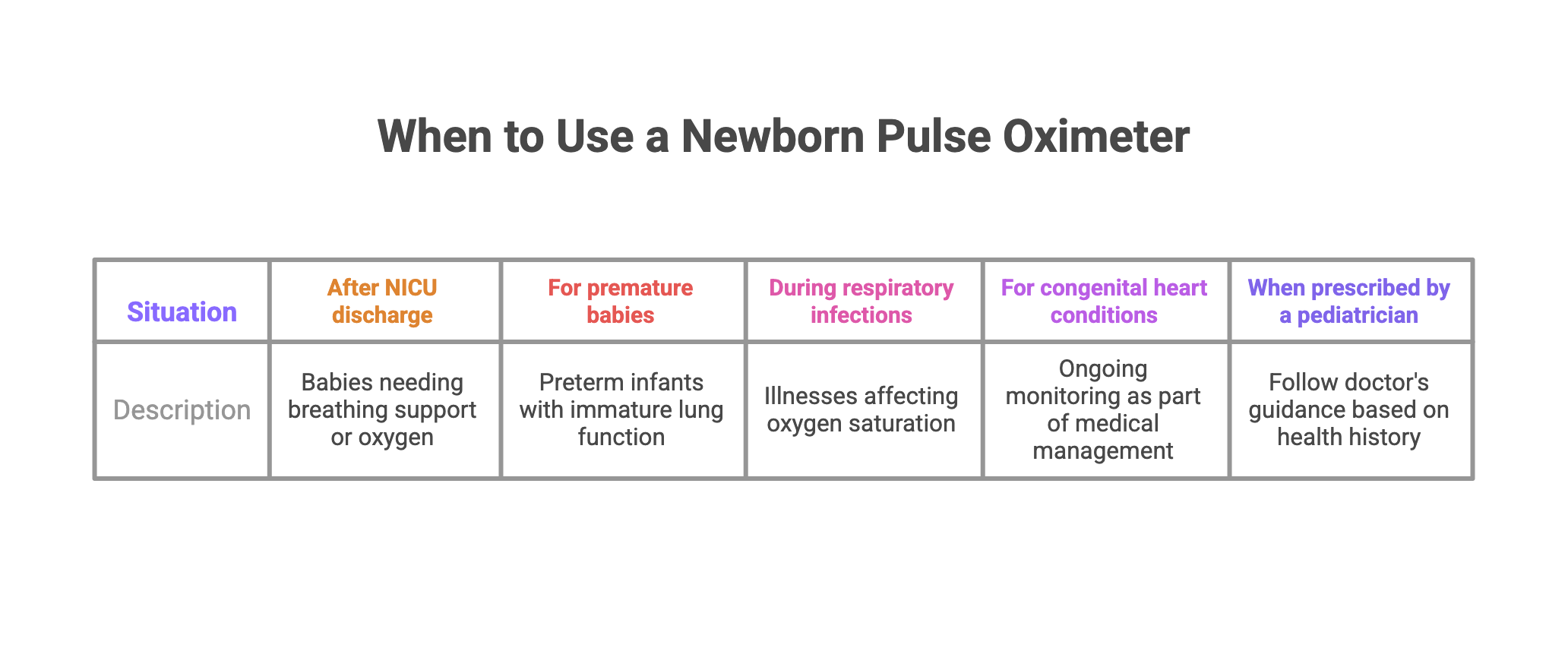
A newborn pulse oximeter is a supportive medical tool — not something every healthy baby needs daily. It is usually recommended in specific situations where oxygen levels may need closer observation.
Use may be advised:
After NICU discharge – Babies who require breathing support or oxygen therapy may need short-term monitoring at home.
For premature babies – Preterm infants can have immature lung function, making oxygen checks helpful during early development.
During respiratory infections – Illnesses like bronchiolitis or pneumonia can temporarily affect oxygen saturation.
For congenital heart conditions – Ongoing monitoring may be part of medical management.
When prescribed by a pediatrician – Always follow your doctor’s guidance based on your baby’s health history.
For healthy, full-term newborns without complications, routine daily monitoring is generally unnecessary. Safe use means monitoring with a clear medical reason — not continuous tracking without need.
Step-by-step: How to use a Newborn Pulse Oximeter at Home Safely.
Step 1: Choose a Newborn-Specific Pulse Oximeter for Home Use
Using the right device is the foundation of safe monitoring. A newborn pulse oximeter for home use is specifically designed for neonatal circulation, smaller limbs, and sensitive skin. Adult fingertip devices often give unreliable readings in babies.
Devices like the Navam Baby Monitor function as a continuous newborn SpO₂ monitor, tracking oxygen, pulse, movement, and sleep patterns through a wearable foot sensor. Choosing a neonatal-compatible infant SpO₂ monitor improves accuracy and reduces false alarms.
What to Look For:
Designed specifically for newborns or infants
Soft, foot-based sensor (baby oxygen monitor foot design)
Continuous oxygen and pulse tracking
Clear data display or app monitoring
Reliable signal detection technology
When comparing pulse oximeter price in India, prioritize neonatal accuracy over cost alone. The best pulse oximeter for newborns is one built for pediatric physiology.
Step 2: Prepare Your Baby Before Measuring Oxygen Levels
Preparation directly affects accuracy. Blood flow in newborns can fluctuate due to temperature and movement. Cold feet, crying, or kicking may cause unstable readings on any SpO2 measuring device for the baby.
Before using your portable newborn oximeter, ensure your baby is calm, warm, and settled. This step improves signal quality and ensures the accurate pulse oximeter for newborns provides reliable numbers.
Preparation Checklist:
Baby is calm or sleeping
Feet are warm (not cold to touch)
Skin is clean and dry
Avoid measuring during crying
Remove tight socks before placement
Proper preparation reduces the risk of false low oxygen readings.
Step 3: Position the Pediatric Pulse Oximeter Correctly on the Foot
For newborns, foot placement is medically recommended because circulation is more stable in this area. A pediatric pulse oximeter for the foot ensures consistent detection of oxygen saturation.
Place the sensor securely but gently. It should remain stable without restricting circulation. Over-tightening can cause inaccurate results, while loose placement may lead to fluctuating numbers.
Correct Placement Guidelines:
Wrap the sensor around the mid-foot area
Align the light emitter and detector properly
Ensure a snug but comfortable fit
Toes should remain pink and warm
Reposition if readings jump continuously
Correct placement ensures your newborn's oxygen monitoring device for home functions as intended.
Step 4: Turn On and Allow the Signal to Stabilize
Once positioned, turn on the device and allow 15–30 seconds for readings to stabilize. Oxygen levels may fluctuate briefly before settling. Movement during this period can interfere with accuracy.
Whether using a standard infant pulse ox monitor or a wearable smart monitor, waiting for a stable reading is essential for safe oximeter use for newborn monitoring.
During Measurement:
Keep the baby still
Avoid touching the sensor
Watch for the steady pulse indicator
Wait for a consistent SpO₂ value
Repeat if the signal seems weak
Patience during this step prevents unnecessary worry.
Step 5: Interpret Oxygen and Pulse Readings Correctly

Understanding the numbers is just as important as measuring them. A healthy newborn typically maintains oxygen levels between 95% and 100%.
A single borderline reading does not always indicate danger. Always observe your baby’s physical signs along with device readings.
Normal SpO₂ Reference Table
SpO₂ Level | Meaning | Action |
95–100% | Normal | No action needed |
92–94% | Slightly low | Recheck in 5 minutes |
Below 92% | Low | Contact pediatrician |
Below 90% | Critical | Seek emergency care |
Normal Pulse Rate:
100–160 bpm (awake newborn)
The best infant pulse oximeter helps identify trends rather than isolated numbers.
Step 6: Remove, Clean, and Store the Device Safely
After monitoring, gently remove the sensor to prevent skin irritation. Proper cleaning ensures hygiene and long-term device accuracy. Regular maintenance also extends the lifespan of your newborn pulse oximeter for home use.
Post-Use Care:
Turn off the device before removal
Clean the sensor with a soft cloth or an alcohol wipe
Let dry fully before storing
Keep in a clean, dry case
Check the battery before next use
Maintaining your infant pulse oximeter properly ensures safe monitoring every time.
Newborn Pulse Oximeter Price Comparison (India)
When considering a newborn pulse oximeter for home use, pricing varies significantly based on technology, monitoring type, and whether the device is designed specifically for neonatal care.
Below is a focused comparison of advanced, infant-ready monitoring options available in India:
Advanced Continuous & Infant-Ready Monitoring
Device | Approx. Price (₹) | Best For |
Navam Smart Baby Monitor | ~14,990 | Continuous SpO₂ + pulse + sleep & movement tracking |
Bionet Oxy9Wave Neonatal Pulse Oximeter | ~33,850 | Professional neonatal monitoring (hospital-level) |
ChoiceMMed MD300M Handheld Pulse Oximeter | ~12,000 | Handheld clinical-grade oximeter |
These devices go beyond simple spot-check oxygen measurement. They are designed for:
Continuous SpO₂ and pulse tracking
Trend monitoring over time
Higher pediatric accuracy
Stable readings in low-perfusion conditions
They are more suitable for medically advised home monitoring rather than occasional reassurance checks.
Final Thoughts: Confidence With Clinical Awareness
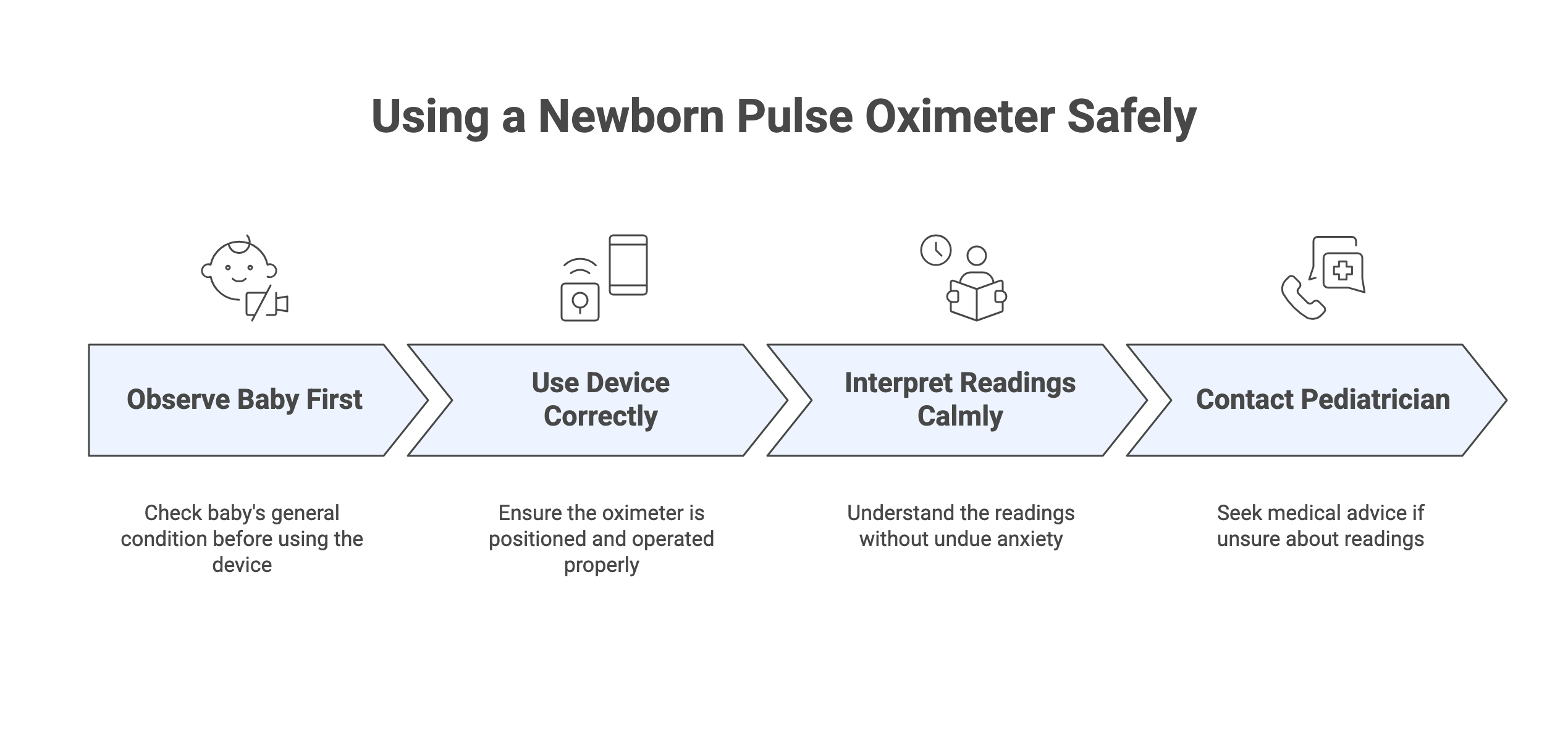
A newborn pulse oximeter is a supportive monitoring tool — not a replacement for medical judgment. When used correctly, it provides reassurance and early awareness during illness or recovery.
Remember:
Observe your baby first
Use the device correctly
Interpret readings calmly
Contact your paediatrician when unsure
Used responsibly, a newborn SpO₂ monitor becomes a confidence-building tool for parents — not a source of stress.
Why Choose the Navam Smart Baby Monitor?
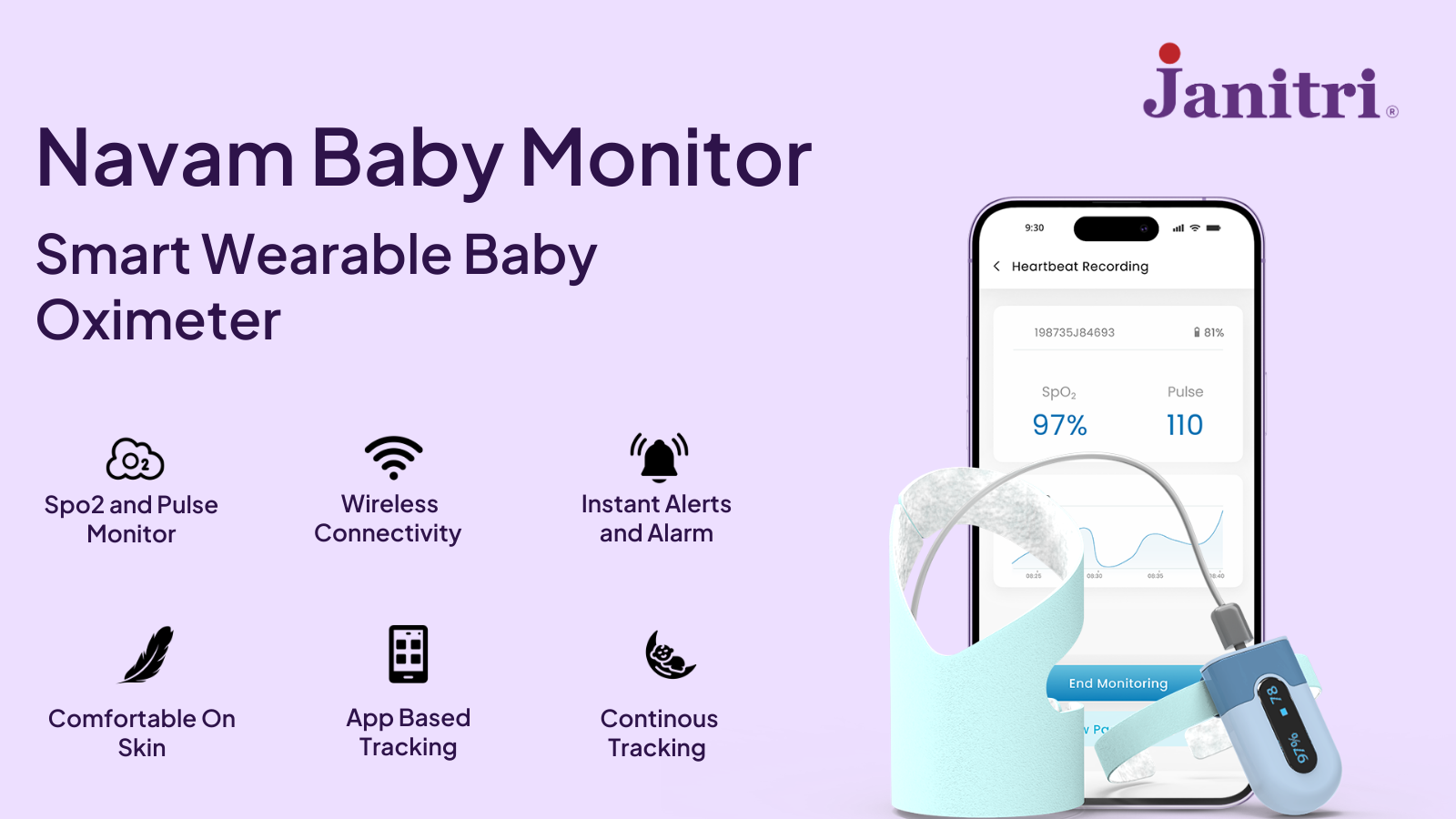
If home oxygen monitoring has been medically advised, choosing a device designed specifically for newborn physiology makes a meaningful difference. The Navam Smart Baby Monitor is built for continuous, gentle monitoring using a soft, baby-safe foot sensor that is comfortable for extended wear. It tracks SpO₂ and pulse rate in real time, helping parents see trends rather than relying on single readings.
Because it is calibrated for neonatal circulation and smaller blood vessels, it offers greater stability compared to general fingertip devices. The connected app allows you to review data over time, which can be helpful when discussing your baby’s progress with a paediatrician.
When used responsibly and under medical guidance, Navam becomes more than just a device; it becomes a tool that supports informed decisions and calmer parenting.
If you are looking for a newborn-ready monitoring solution that prioritises accuracy, comfort, and continuous tracking, explore the Navam Smart Baby Monitor and take a confident step toward safer home monitoring.
FAQ’s
Will a pulse oximeter work on an infant?
Yes, a pulse oximeter can work on an infant, but you must use a pediatric or neonatal pulse oximeter designed specifically for small patients. Standard adult pulse oximeters are not accurate for infants because their fingers are too small to get a reliable reading.
What should a baby's O2 level be while sleeping?
A healthy baby's SpO2 during sleep should be 95% or higher, ideally between 97–100%. Sustained readings below 95% require prompt medical attention.
What are the early signs of hypoxia in babies?
Watch for these warning signs:
Bluish lips or fingertips (cyanosis)
Rapid or labored breathing
Chest retractions (skin pulling under the ribs)
Pale or mottled skin
Limpness or weak cry
Difficulty feeding
What is the SpO2 at 1 minute for a newborn?
A newborn's SpO2 at 1 minute after birth is naturally 60–65% and gradually rises to 85–95% by 10 minutes. This is normal as the baby transitions to breathing air.
What SpO2 level requires hospitalization?
Below 95% — Consult a pediatrician immediately
Below 90% — Hospitalization typically required
Below 85% — Severe emergency; call emergency services now
Premature or high-risk infants may have higher thresholds set by their doctor.