Hospitals
Remote Pregnancy Monitoring: AI for Better Maternal Outcomes
Mar 6 • 7 min read
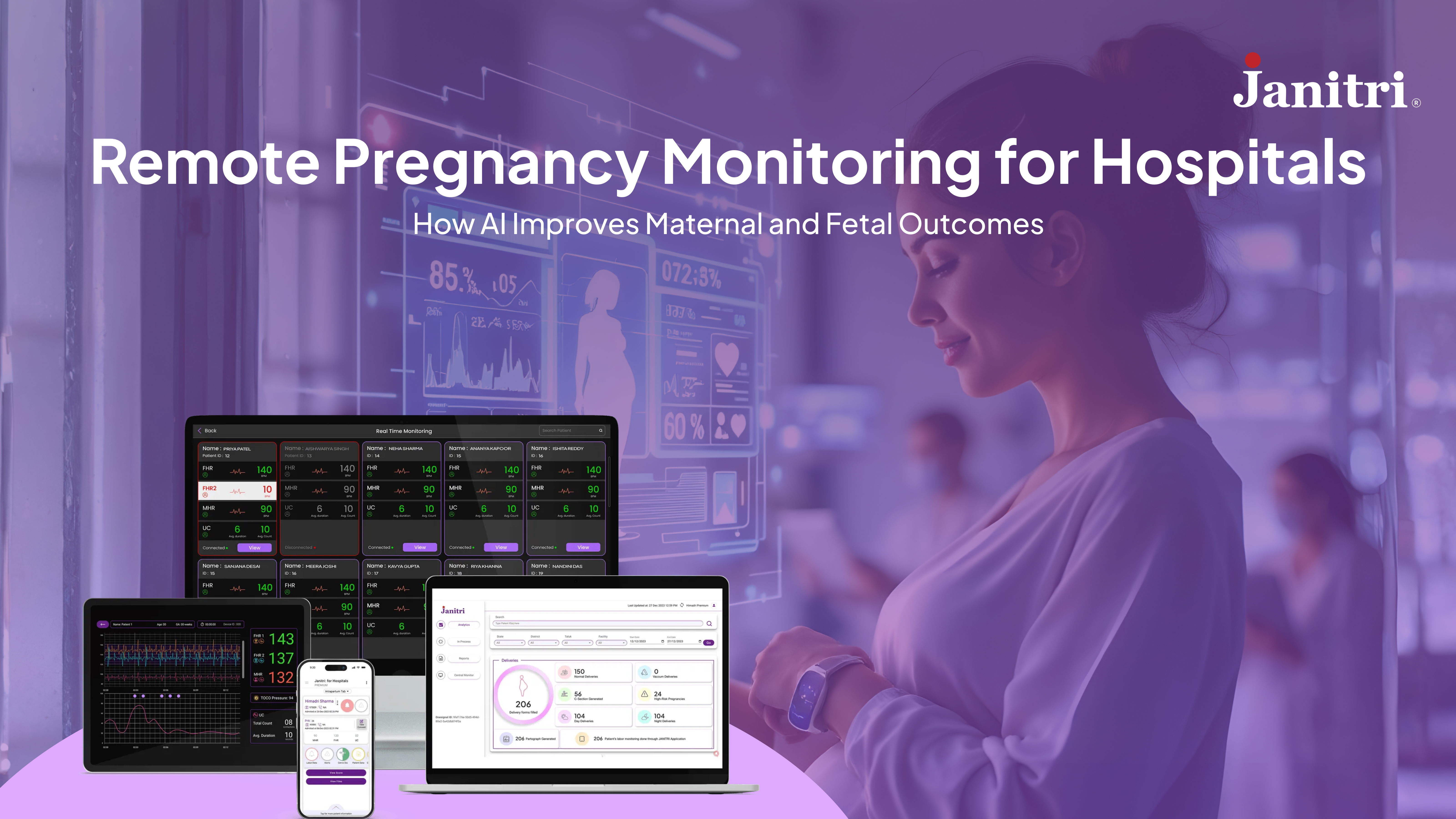
Table of Content
Pregnancy Monitoring for Hospitals: Improving Clinical Outcomes
Why Traditional Monitoring Models Need Reinforcement
What Is
Core Clinical Advantages of Remote Pregnancy Monitoring
1. Earlier Detection of Fetal Distress
2. Stronger High-Risk Pregnancy Management
3. Standardization Through AI-Based Pregnancy Monitoring Software
4. Centralized Oversight and Enterprise Scalability
5. Integration with Telemedicine and Hybrid Care
6. Improved Patient Engagement and Confidence
7. Operational Efficiency in Maternity Wards
Evidence-Based Benefits: What Research Suggests
Implementation Considerations for Hospitals
The Role of Digital Health Transformation
Conclusion
Frequently Asked Questions
What is remote pregnancy monitoring?
Is remote fetal monitoring safe?
How does AI help in pregnancy monitoring?
Which hospitals benefit most from remote pregnancy monitoring?
Remote pregnancy monitoring is transforming how hospitals manage maternal and fetal care. By combining AI-powered monitoring systems, connected medical devices, and digital maternity platforms, healthcare providers can track both mother and baby in real time, even when the patient is at home.
For hospitals managing high-risk pregnancies, this technology helps clinicians detect complications earlier, respond faster, and improve clinical outcomes.
Key Takeaways
• Remote pregnancy monitoring allows hospitals to track maternal and fetal health in real time without requiring continuous hospital visits.
• Continuous monitoring helps clinicians detect complications such as fetal distress and maternal hypertension earlier.
• AI-supported maternity monitoring systems improve clinical decision-making by identifying abnormal patterns in patient data.
• Hospitals adopting remote monitoring technologies can improve patient safety, operational efficiency, and high-risk pregnancy management.
Pregnancy Monitoring for Hospitals: Improving Clinical Outcomes
Pregnancy is one of the most important times in a person's life. A lot can happen between doctor's visits. As more pregnancies become high-risk and hospitals get busier, checking in every few weeks is often not enough.
That is why more hospitals are turning to remote pregnancy monitoring. Simply put, it means doctors can keep an eye on mother and baby from a distance. No hospital visit is required. If something looks unusual, the care team can respond quickly instead of waiting for the next appointment.
The tools that make this possible are no longer experimental. They are already being used in many healthcare settings to help hospitals detect complications earlier and intervene sooner.
Because when it comes to pregnancy care, early awareness can make a critical difference.
Why Traditional Monitoring Models Need Reinforcement
Most maternity care today still works the same way it always has — you book an appointment, come in, get checked, and go home. And while those visits matter, there's a big problem: a lot can happen in the weeks in between.
When there's no one watching, things can slip through the cracks:
A baby showing signs of distress that no one catches in time
Early warning signs of high blood pressure that go unnoticed
Heart rate readings that get misread or missed altogether
Emergencies that could have been prevented if someone had spotted the signs sooner
For pregnancies that are already considered high-risk, these gaps aren't just inconvenient — they can be genuinely dangerous. These are the moms and babies who need the closest attention, yet they're often the ones most affected by the limits of traditional care.
The good news is that it doesn't have to work this way. Modern monitoring tools now allow hospitals to keep watch over mother and baby even when they're at home — turning what used to be a series of disconnected check-ins into something much closer to continuous, round-the-clock care.
Because for a high-risk pregnancy, a lot can change overnight. And catching it early can change everything.
What Is Remote Pregnancy Monitoring?
Think of it this way – instead of a mother having to come into hospital every time someone needs to check on her or her baby, the information travels to the doctors instead. Through small, easy-to-use devices and secure online systems, the care team can see what's happening in real time, from wherever they are.
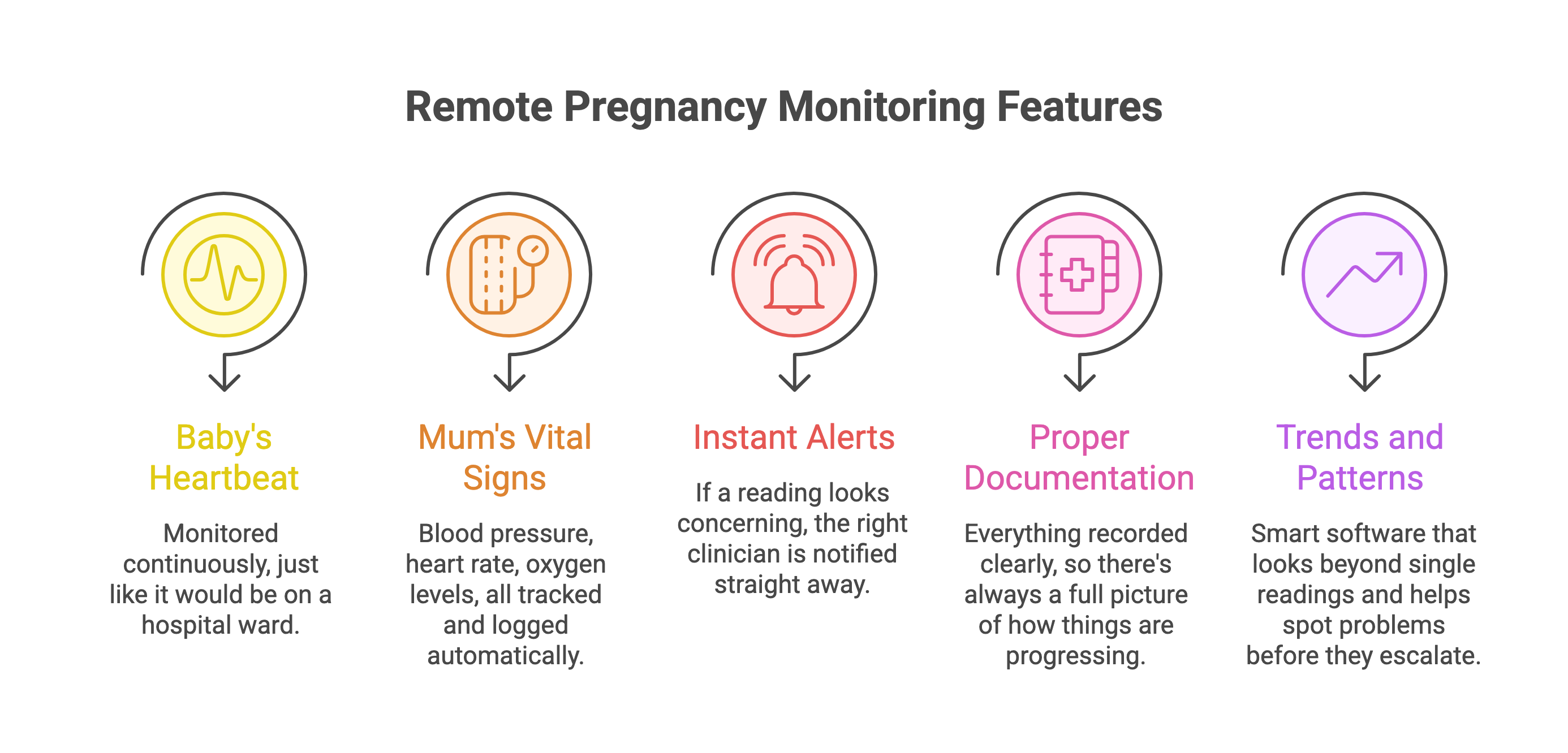
A proper system keeps track of everything that matters:
The baby's heartbeat — monitored continuously, just like it would be on a hospital ward
Mum's vital signs — blood pressure, heart rate, oxygen levels, all tracked and logged automatically
Instant alerts — if a reading looks concerning, the right clinician is notified straight away
Proper documentation — everything recorded clearly, so there's always a full picture of how things are progressing
Trends and patterns — smart software that looks beyond single readings and helps spot problems before they escalate
What makes this genuinely powerful is that it doesn't just help one patient at a time. Clinicians can monitor several mothers at once — across different wards, or even different hospitals — all through a single dashboard. It's like having eyes in multiple places simultaneously, without needing extra staff in every room.
For busy maternity units, that's not just convenient. It's a completely different way of working — one that puts continuous, connected care within reach for every patient, not just the ones who happen to be physically present.
Core Clinical Advantages of Remote Pregnancy Monitoring
1. Earlier Detection of Fetal Distress
Continuous data capture is one of the strongest clinical advantages of remote monitoring.
Through remote CTG monitoring for clinics, clinicians can:
Identify abnormal fetal heart rate patterns earlier
Detect reduced variability or decelerations in real time
Escalate care before deterioration becomes critical
Research indicates that remote fetal monitoring is associated with reduced risk of neonatal asphyxia compared to routine monitoring alone. Earlier detection directly translates into faster intervention and improved neonatal outcomes.
Advanced obstetric remote monitoring software further enhances pattern recognition, reducing subjectivity in interpretation.
2. Stronger High-Risk Pregnancy Management
High-risk pregnancies such as those involving gestational diabetes, hypertension, or advanced maternal age require closer surveillance.
Modern maternal remote monitoring systems allow:
Continuous blood pressure tracking
Remote fetal heart rate review
Data-driven risk stratification
Proactive clinical decision-making
Instead of relying on isolated readings during visits, clinicians gain longitudinal insight through remote maternal health analytics, improving predictive capability.
This form of high-risk pregnancy monitoring technology is especially valuable for tertiary hospitals and referral centers managing complex cases.
3. Standardization Through AI-Based Pregnancy Monitoring Software
CTG interpretation has historically been subject to inter-observer variability. AI-supported OBGYN remote monitoring tools help reduce this variability by applying standardized pattern recognition algorithms.
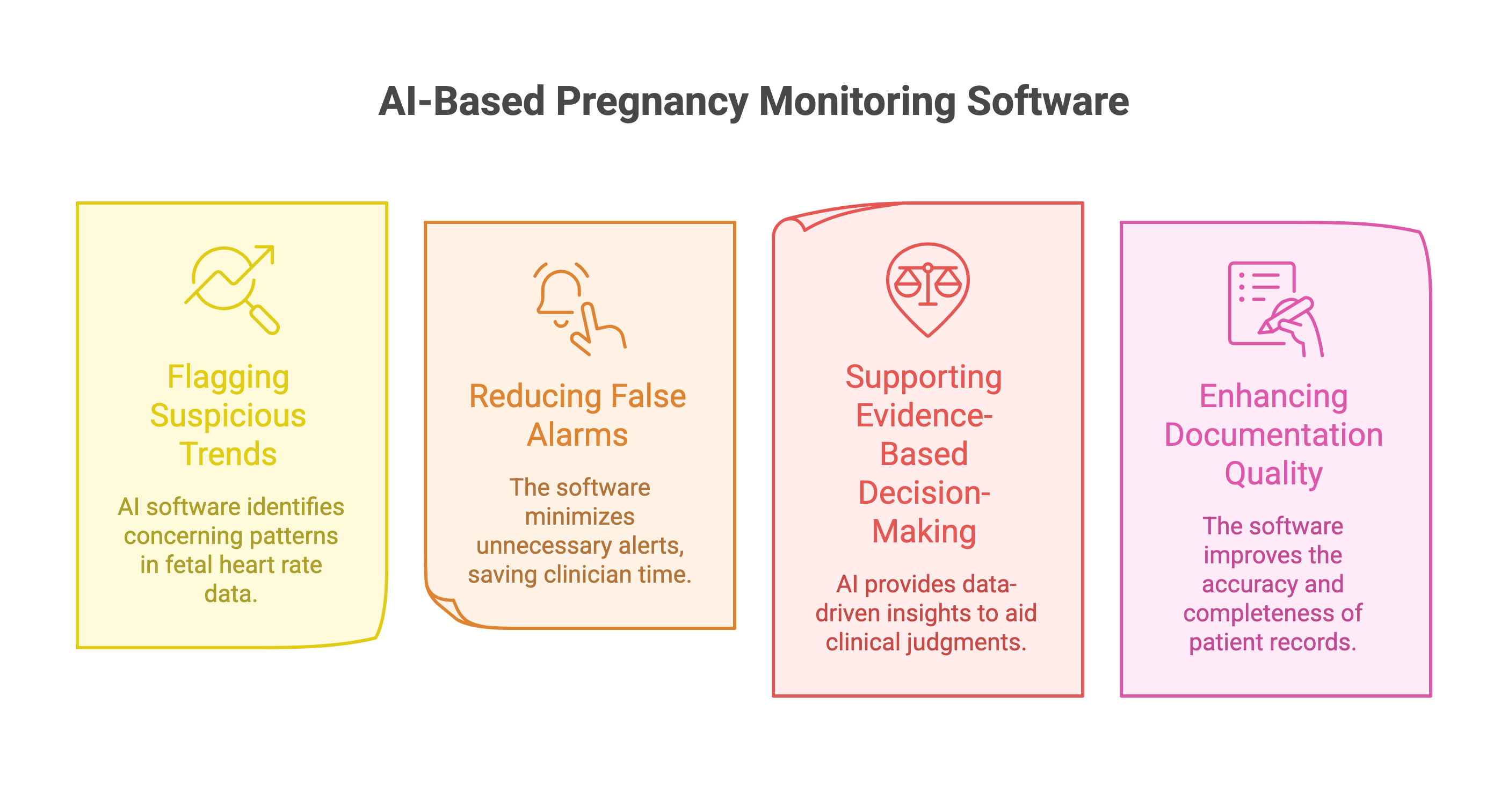
AI-based pregnancy monitoring software supports clinicians by:
Flagging suspicious trends
Reducing false alarms
Supporting evidence-based decision-making
Enhancing documentation quality
Importantly, AI augments does not replace clinical judgment. It strengthens the safety net within an enterprise maternal monitoring system, especially in busy maternity wards.
4. Centralized Oversight and Enterprise Scalability
A significant advantage of remote monitoring is the ability to supervise multiple patients simultaneously through a centralized dashboard.
An integrated hospital maternity monitoring system enables:
Command-center visibility across beds
Multi-location supervision
Remote specialist review
Standardized protocols across facilities
For hospital networks undergoing hospital digital health transformation, this enterprise-level visibility ensures quality consistency and scalable growth.
5. Integration with Telemedicine and Hybrid Care
The future of obstetrics is hybrid, combining in-person and remote care.
Pregnancy telemedicine integration allows clinicians to conduct virtual consultations supported by real-time physiological data. This reduces unnecessary hospital visits while maintaining clinical oversight.
Within a pregnancy monitoring SaaS platform, teleconsultations can include:
Live CTG reviews
Remote maternal vital discussions
Digital documentation updates
This seamless workflow enhances patient convenience without compromising safety.
6. Improved Patient Engagement and Confidence
Patients often report increased reassurance when monitored remotely, knowing their data is continuously reviewed.
A well-designed connected maternity care platform:
Improves transparency
Encourages adherence to monitoring protocols
Strengthens communication between clinician and patient
While remote monitoring does not replace in-person visits, it complements traditional care and fosters a more engaged patient experience.
7. Operational Efficiency in Maternity Wards
Healthcare systems worldwide face workforce constraints. Intelligent maternity ward monitoring technology optimizes clinical efficiency by:
Allowing nurses to supervise multiple patients remotely
Prioritizing high-risk alerts
Reducing unnecessary bedside interruptions
Streamlining escalation workflows
An effective enterprise maternal monitoring system supports both patient safety and workforce sustainability.
Evidence-Based Benefits: What Research Suggests
Clinical analyses indicate that remote monitoring can reduce neonatal asphyxia rates compared to routine monitoring. While broader outcomes such as cesarean section rates may not always show statistically significant differences, the evidence supports improved safety in specific high-risk contexts.
Additionally, early data suggest potential reductions in healthcare utilization and hospital stay durations, contributing to cost efficiency when remote systems are properly implemented.
As adoption grows, further large-scale trials will continue to refine outcome measurements and long-term impact assessments.
Implementation Considerations for Hospitals
For successful deployment of pregnancy monitoring devices for hospitals, healthcare leaders should evaluate:
EMR/HIS interoperability
Data privacy and cybersecurity compliance
Clinical validation of obstetric remote monitoring tools
Workflow integration within existing maternity units
Staff training and change management
The Role of Digital Health Transformation
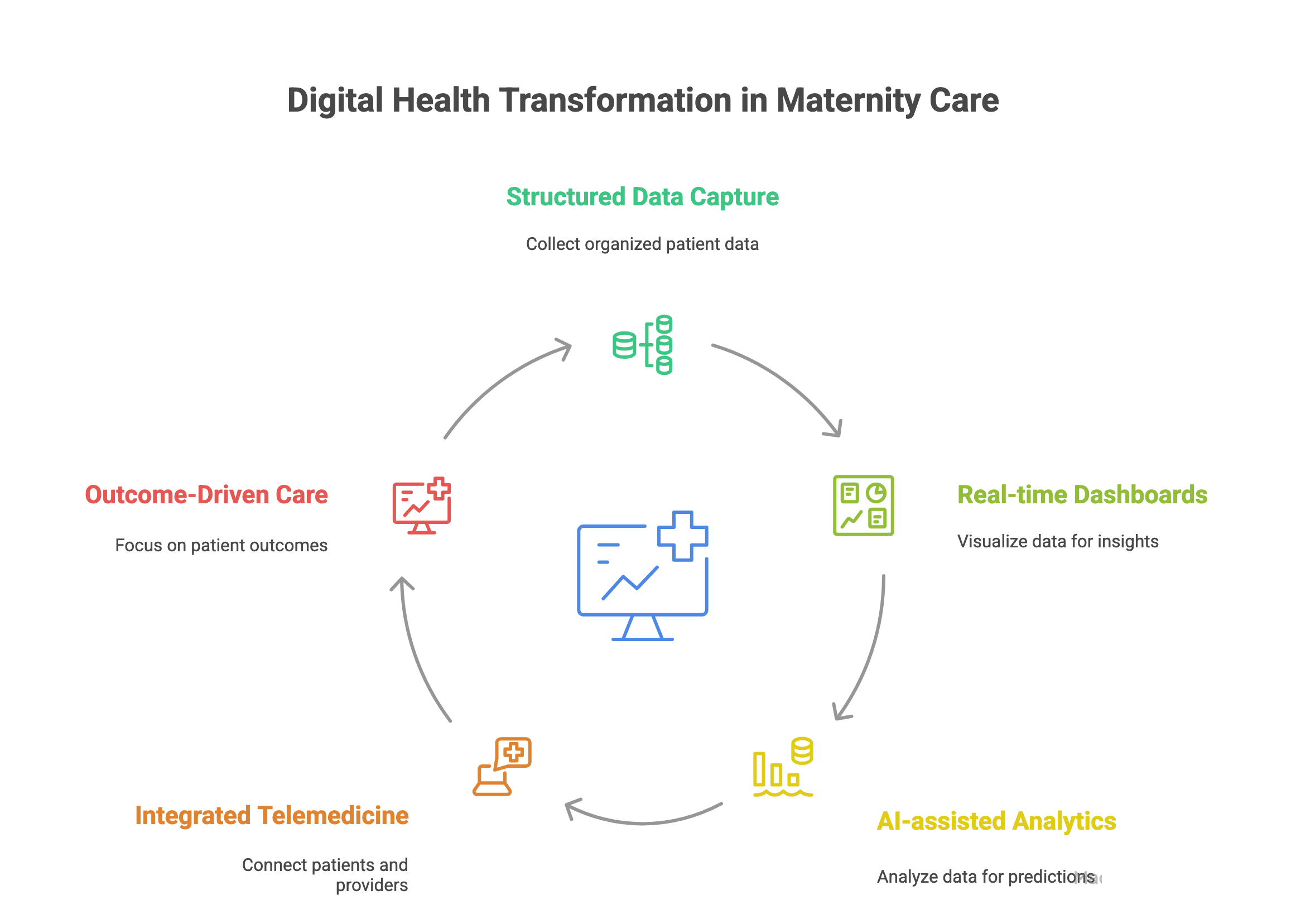
Remote monitoring is not merely a technology upgrade; it is a strategic component of hospital digital health transformation.
By leveraging:
Structured data capture
Real-time dashboards
AI-assisted analytics
Integrated telemedicine
Hospitals move toward outcome-driven maternity care models that emphasize prevention, early detection, and evidence-based interventions.
This evolution supports long-term improvements in safety metrics, operational efficiency, and patient satisfaction.
Conclusion
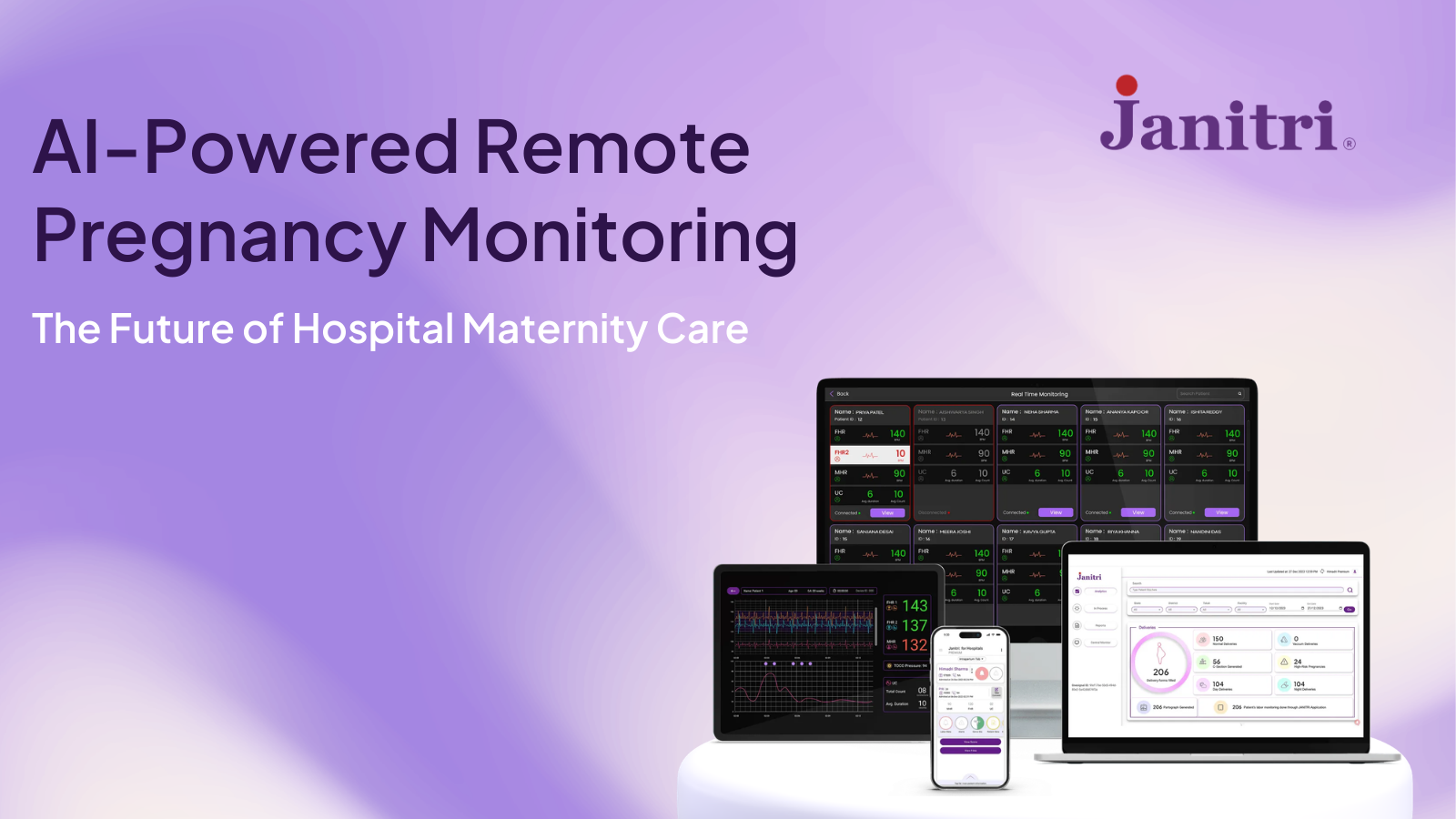
Remote pregnancy monitoring for hospitals represents an important advancement in obstetric care. By combining remote fetal monitoring technologies, maternal health monitoring systems, and AI-supported analytics within digital maternity care platforms, healthcare providers can improve early detection of complications and enhance high-risk pregnancy management.
Remote monitoring is becoming an essential component of modern maternity care strategies. Hospitals adopting these technologies can strengthen clinical oversight while improving operational efficiency and patient outcomes.
Continuous insight allows clinicians to intervene at the right time. Timely intervention helps protect both maternal and fetal health.
Frequently Asked Questions
What is remote pregnancy monitoring?
Remote pregnancy monitoring uses connected medical devices and digital platforms to track maternal and fetal health data in real time. Clinicians can review fetal heart rate patterns and maternal vital signs without requiring constant hospital visits.
Is remote fetal monitoring safe?
When implemented with clinically validated devices and secure digital platforms, remote fetal monitoring can support safe monitoring for many high-risk pregnancies.
How does AI help in pregnancy monitoring?
AI systems analyze fetal heart rate patterns and maternal vital signs to detect abnormal trends and assist clinicians in identifying potential complications earlier.
Which hospitals benefit most from remote pregnancy monitoring?
Large hospitals, tertiary maternity centers, and healthcare networks managing high-risk pregnancies often benefit the most from remote monitoring systems.