Mothers
Preeclampsia in Pregnancy: Symptoms, BP & Risk
Aug 14 • 8 min read
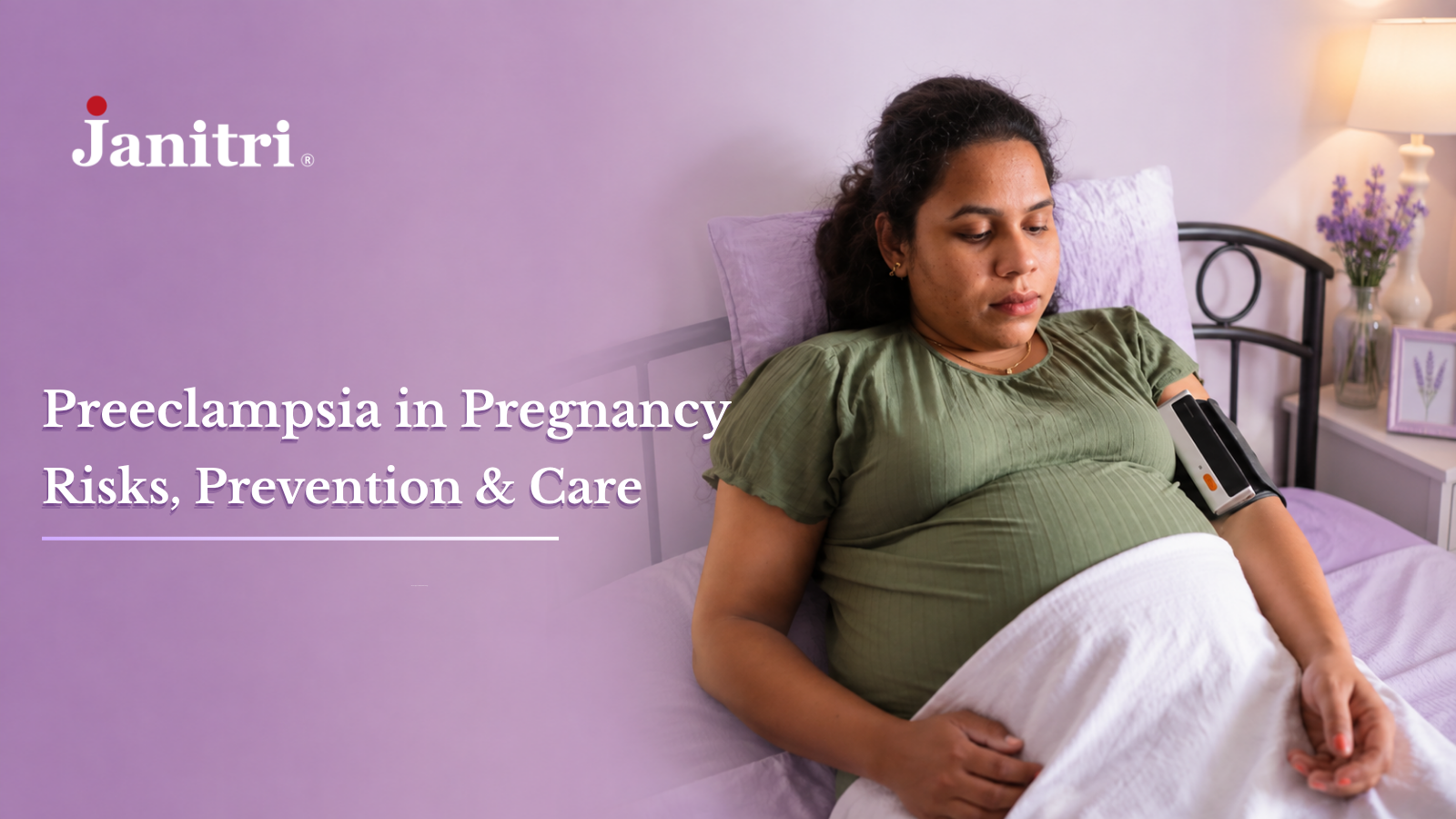
Table of Content
What Is Preeclampsia During Pregnancy?
What Are the Symptoms of Preeclampsia in Pregnancy?
Can You Have Preeclampsia Without Symptoms?
Preeclampsia Blood Pressure: What Numbers Matter?
What Increases the Risk of Preeclampsia?
Preeclampsia Prevention: Can It Be Prevented?
Normal Pregnancy Symptoms vs Preeclampsia Warning Signs
Pregnancy itself can cause headaches, swelling, nausea, tiredness, and other physical changes. This can make it difficult to know when a symptom deserves attention.
Can Preeclampsia Develop Suddenly?
How Is Preeclampsia Diagnosed?
When Should You Seek Medical Help?
What Are the Risks of Preeclampsia?
Risks to the mother may include:
Risks to the baby may include:
Can You Monitor Preeclampsia at Home?
Frequently Asked Questions
1. What is the meaning of preeclampsia?
2. What are the early symptoms of preeclampsia?
3. What blood pressure is considered high in pregnancy?
4. Can you have preeclampsia without symptoms?
5. Can preeclampsia be prevented?
Preeclampsia is a serious pregnancy condition that usually starts after 20 weeks and means high blood pressure together with signs that the condition may be affecting the mother’s health. It can put both the mother and baby at risk, and some women have no obvious symptoms at first.
The key thing to know is this: preeclampsia is more than one high reading on a home monitor. It needs medical evaluation, usually with repeat blood pressure checks and, when needed, urine or blood tests.
Because it can develop quietly, regular prenatal visits and blood pressure checks matter even when you feel well. Warning signs can include severe headache, vision changes, pain under the ribs, sudden swelling, or repeatedly high blood pressure.
If you are pregnant and notice these symptoms or get a high reading, contact your doctor or maternity care provider promptly so they can assess what is going on and guide the next steps.
What Is Preeclampsia During Pregnancy?
Preeclampsia is something that can pop up in pregnancy, usually after the 20-week mark. Though, there are other blood pressure issues related to pregnancy that can show up earlier, later, or even after the baby arrives.
According to the World Health Organization (WHO), pre-eclampsia affects 3% to 8% of women who give birth worldwide, which is why regular blood pressure checks after 20 weeks are such an important part of prenatal care.
It's a condition that can vary quite a bit. For some, it might just mean needing a bit more attention from the doctor. For others, it can become quite serious, demanding quick medical intervention, and sometimes even an early delivery.
One of the challenging things about preeclampsia is that some women don't really notice any symptoms. So, sometimes the first sign that something needs looking into is just a high blood pressure reading. That's why doctors and midwives check your blood pressure regularly when you're expecting.
What Are the Symptoms of Preeclampsia in Pregnancy?
The preeclampsia in pregnancy symptoms can vary. Some women may not notice any symptoms, while others may develop warning signs.
Possible symptoms include:
Persistent or severe headache
Changes in vision, such as blurred vision or seeing spots
Pain in the upper abdomen, particularly under the ribs
Sudden swelling of the face or hands
Sudden or unusual weight gain
Nausea or vomiting later in pregnancy
Difficulty breathing
High blood pressure
These symptoms do not necessarily mean that someone has preeclampsia. However, they should not be ignored, particularly when they are new, severe, persistent, or occur together. ACOG recommends contacting an obstetrician promptly when symptoms develop during the second half of pregnancy.
Can You Have Preeclampsia Without Symptoms?
Preeclampsia has the potential to develop suddenly in expectant mothers. It’s entirely possible to feel perfectly fine and have everything seem normal, while having blood pressure or lab results that indicate an issue. That’s precisely why sticking with your regular prenatal check-ups is so crucial, even if you’re feeling great. Healthcare providers use measures like blood pressure readings, urine analyses, along with laboratory tests to observe health indicators when it makes sense from a clinical perspective.
Preeclampsia Blood Pressure: What Numbers Matter?
Blood pressure is one of the most important measurements used when evaluating hypertensive disorders during pregnancy.
A blood pressure reading has two numbers:
Systolic pressure: the pressure when the heart contracts
Diastolic pressure: the pressure when the heart relaxes
According to ACOG, gestational hypertension is defined as blood pressure of 140/90 mm Hg or higher after 20 weeks of pregnancy, and severe hypertension is 160/110 mm Hg or higher.
Blood pressure reading | What it means |
Below 140/90 mmHg | Below the usual hypertension threshold |
140/90 mmHg or higher | Requires medical assessment |
160/110 mmHg or higher | Severe-range blood pressure requiring urgent medical attention |
A single reading does not automatically establish a diagnosis of preeclampsia. Healthcare professionals may repeat the measurement and consider symptoms, urine tests, blood tests, pregnancy stage, and other clinical findings.
Experience note: In Janitri’s hospital monitoring workflows, teams use remote data viewing, critical alerts, and digital documentation so an abnormal reading can be reviewed and escalated quickly instead of waiting for the next manual round.
What Increases the Risk of Preeclampsia?
Understanding preeclampsia risk can help healthcare providers determine whether someone needs closer monitoring during a high-risk pregnancy.
Risk factors can include:
Previous preeclampsia
First pregnancy
Multiple pregnancy, such as twins or triplets
Chronic high blood pressure
Diabetes
Kidney disease
Certain autoimmune conditions
Family history of preeclampsia
Other medical or pregnancy-related risk factors
Having one or more risk factors does not mean that a woman will definitely develop preeclampsia. It means her healthcare provider may consider additional monitoring or preventive strategies based on her individual circumstances.
Preeclampsia Prevention: Can It Be Prevented?
While there's no way to stop preeclampsia from happening in all cases, there are things we can do. For example, knowing who is more likely to get preeclampsia and making sure those people get care during pregnancy really helps. This can reduce problems. Find the condition earlier.
When it comes to preventing preeclampsia, a few steps are important. Starting care as soon as possible is very important. Then going to all the visits is also important. Watching blood pressure closely is necessary. The doctor might also check the urine. Do other tests when needed. If someone has high blood pressure or diabetes, keeping those conditions under control is important. Following the advice from the healthcare provider about any treatments that can prevent preeclampsia is essential.
For people who're at a higher risk, doctors might suggest things like low-dose aspirin or other steps to prevent it. The World Health Organization, for example, says low-dose aspirin is good for women who are at high risk, but the exact timing and use depend on the doctor's decision.
One thing to keep in mind is never start taking aspirin or any other medicine during pregnancy without talking to a doctor.
Normal Pregnancy Symptoms vs Preeclampsia Warning Signs
Pregnancy itself can cause headaches, swelling, nausea, tiredness, and other physical changes. This can make it difficult to know when a symptom deserves attention.
Common pregnancy experience | When to seek medical advice |
Occasional mild headache | Severe or persistent headache |
Gradual swelling of the feet or ankles | Sudden or significant swelling, particularly of the face or hands |
Occasional nausea | New or severe nausea/vomiting later in pregnancy |
Mild pregnancy discomfort | Persistent upper abdominal or rib pain |
Temporary visual discomfort | Blurred vision, flashing lights, or seeing spots |
No obvious symptoms | Elevated BP or abnormal prenatal test results |
This comparison is not a diagnostic tool. A healthcare professional should evaluate symptoms in the context of the individual pregnancy.
Can Preeclampsia Develop Suddenly?
Preeclampsia can develop during pregnancy even when the earlier prenatal visits were completely normal. Some women may have no symptoms at all, while others may develop symptoms or high blood pressure that needs to be looked at more closely.
This is why having a normal blood pressure reading at one appointment does not mean that the blood pressure will stay normal for the rest of the pregnancy.
Women should go to all their prenatal care appointments so healthcare professionals can see if there are any changes over time.
How Is Preeclampsia Diagnosed?
Preeclampsia is not diagnosed by looking at the symptoms. A healthcare professional will check things like
Blood pressure
Urine for protein
Blood platelet levels
Kidney function
Liver function
Symptoms such as headache or vision changes
How well the fetus is growing and doing when that is appropriate
The World Health Organization says that Preeclampsia involves blood pressure that starts after 20 weeks of pregnancy along with protein in the urine or other signs that organs are not working right.
The American College of Obstetricians and Gynecologists also says that when high blood pressure is found, it may be checked again, and more urine and blood tests may be done to find out what is going on with Preeclampsia.
When Should You Seek Medical Help?
Contact your maternity care provider promptly if you experience symptoms that could indicate a pregnancy complication, particularly:
Severe or persistent headache
Changes in vision
Upper abdominal or rib pain
Sudden swelling of the face or hands
Difficulty breathing
Repeatedly elevated blood pressure
Feeling unusually or seriously unwell
A blood pressure reading of 160/110 mmHg or higher is severe-range hypertension and requires urgent medical assessment.
If severe symptoms or severe-range blood pressure occur, do not rely on continued home monitoring or wait for a routine prenatal appointment.
What Are the Risks of Preeclampsia?
When preeclampsia becomes severe or is not appropriately managed, it can cause serious complications.
The condition also matters at a population level. WHO reports that hypertensive disorders were responsible for around 16% of maternal deaths globally in 2023, equivalent to about 42,000 deaths.
Risks to the mother may include:
Eclampsia, which involves seizures
HELLP syndrome
Liver or kidney problems
Fluid in the lungs
Stroke
Placental abruption
Other organ complications
Risks to the baby may include:
Restricted fetal growth
Reduced placental function
Preterm birth
Complications associated with early delivery
In severe cases, fetal or neonatal death
Depending on the pregnancy and clinical situation, healthcare providers may also recommend fetal monitoring tests such as an NST to assess the baby's wellbeing.
Can You Monitor Preeclampsia at Home?
Home monitoring can be useful for some pregnant women, particularly when their healthcare provider recommends it.
However, there is an important distinction:
You can monitor certain measurements at home, but you cannot diagnose preeclampsia yourself.
For example, home blood pressure monitoring during pregnancy can help identify changes in BP between clinical appointments. Your healthcare provider may ask you to maintain a record of your readings and report specific changes.
Experience note: One mother, Nandini M, shared that Janitri’s home NST solution reduced frequent hospital visits late in pregnancy and helped her continue monitoring at home until the right time for delivery.
Preeclampsia After Delivery
Preeclampsia does not necessarily end immediately after childbirth.
High blood pressure and preeclampsia-related complications can occur after delivery, which is why postpartum monitoring remains important.
Seek medical attention after delivery if you develop symptoms such as severe headache, vision changes, upper abdominal pain, difficulty breathing, or significantly elevated blood pressure.
Frequently Asked Questions
1. What is the meaning of preeclampsia?
Preeclampsia is a pregnancy-related hypertensive disorder that usually develops after 20 weeks and involves high blood pressure together with protein in the urine or other signs of organ involvement.
2. What are the early symptoms of preeclampsia?
Possible warning signs include persistent headache, vision changes, upper abdominal pain, sudden swelling, difficulty breathing, nausea or vomiting later in pregnancy, and elevated blood pressure. Some women have no noticeable symptoms.
3. What blood pressure is considered high in pregnancy?
A blood pressure of 140/90 mmHg or higher is an important threshold for hypertension during pregnancy and requires medical evaluation. 160/110 mmHg or higher is considered severe-range hypertension.
4. Can you have preeclampsia without symptoms?
Yes. Preeclampsia can develop without obvious symptoms, which is why routine prenatal blood pressure checks and other assessments are important.
5. Can preeclampsia be prevented?
Not every case can be prevented. However, early prenatal care, identifying risk factors, regular monitoring, and appropriate preventive strategies for women at increased risk can help reduce complications.