Mothers
Why Every Expecting Parent Should Consider a Fetal Heart Doppler
Aug 12 • 2 min read

Table of Content
Why It Matters More Than Ever
Emotional Bonding
Safety First: What You Should Know
When Can You Start Using It?
A Note for High-Risk Mothers
Final Thoughts
Being pregnant is quite the rollercoaster of emotions – you're pumped, happy, a little uneasy, and yeah, often a bit anxious. With all the doctor's appointments and advice, there's one simple gadget that keeps bringing peace of mind to tons of expecting parents everywhere: the fetal heart doppler.
What is a Fetal Heart Doppler?
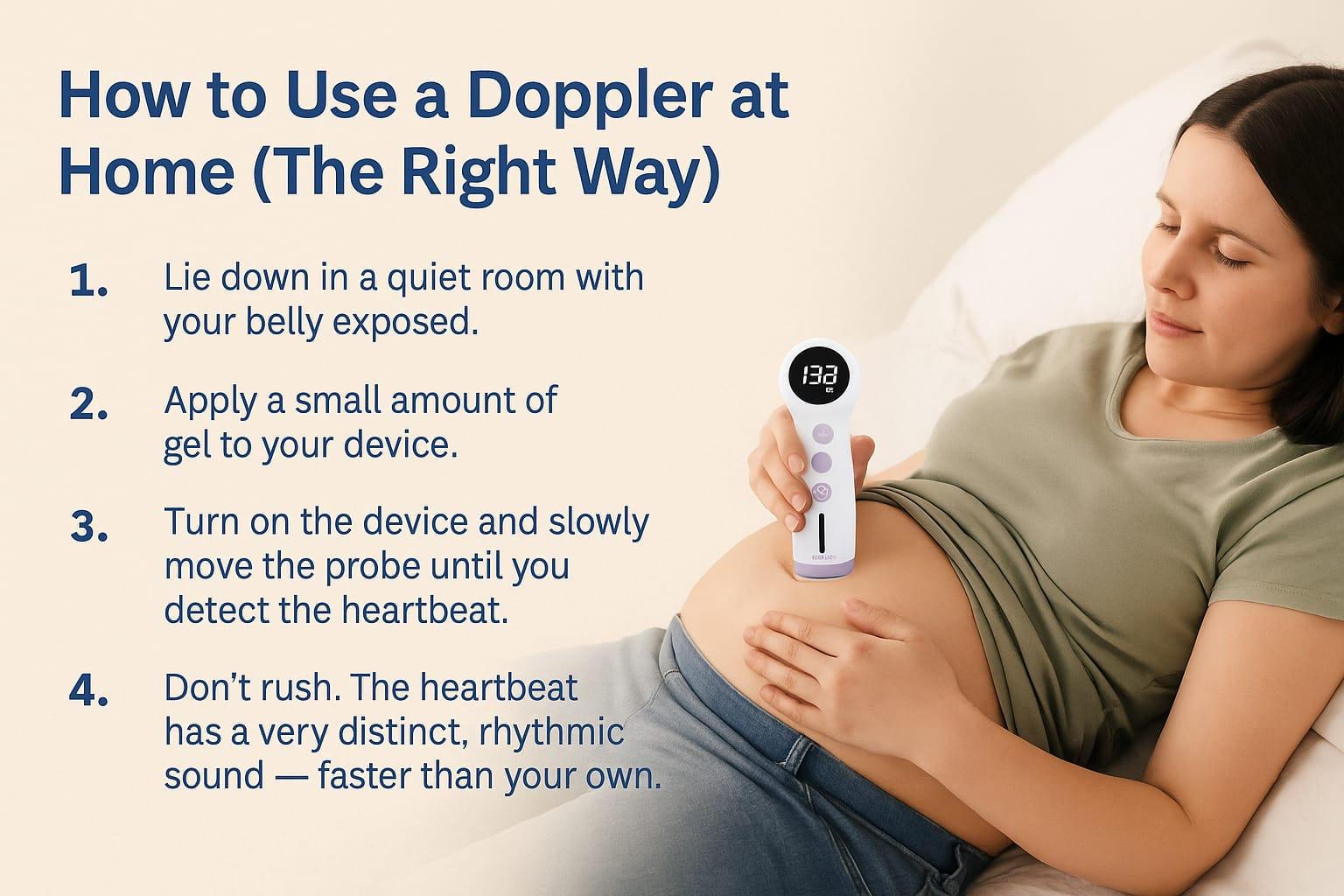
A fetal doppler is a medical device that utilizes ultrasound technology, similar to that used in hospitals, to detect and amplify the sound of a baby's heartbeat. This allows expectant parents to hear their baby's heartbeat from the comfort of their home. While traditional fetal dopplers are typically used by healthcare professionals in clinical settings, many modern alternatives, like handled devices such as Keyar Echo, are designed for safe and easy use by parents-to-be.
Why It Matters More Than Ever
For expecting parents, especially first-timers, a fetal doppler at home offers immense peace of mind, particularly in high-risk pregnancies or when frequent clinic visits aren't feasible. Hearing that rhythmic "thump-thump" is a comforting reminder that their baby is well. This device isn't meant to replace professional medical care, but rather to provide comfort and connection between check-ups.
Emotional Bonding
Some parents even record the heartbeat as a keepsake or use it in gender reveal videos and memory books. The first time you hear your baby's heartbeat is a magical moment that stays with you forever. With a home doppler, you can share this joy with your partner, parents, or even your child's siblings, making the whole family feel more connected to the journey.
Safety First: What You Should Know
Many parents understandably wonder if using a fetal heart doppler at home is safe. The answer is yes, when used correctly. Devices like Keyar Echo are non-invasive, ISO and CDCSO certified, and designed for home use. They emit very low-frequency ultrasound waves and, when used as recommended, pose no harm to the mother or the baby. However, fetal dopplers are not a standalone tool. They are a supplement, not a substitute, for regular antenatal care.
When Can You Start Using It?
Most parents can typically begin to hear their baby's heartbeat between 12 to 16 weeks of gestation. However, this can vary, and it occasionally takes longer depending on factors such as placenta position, fetal movement, or the mother's body type. You can start using a fetal doppler like Keyar Echo after 18 weeks of pregnancy as recommended by medical professionals. Patience is crucial. If you don't immediately hear the heartbeat, there's no need to worry, even medical professionals sometimes find it challenging.
A Note for High-Risk Mothers
For mothers experiencing high-risk pregnancies due to gestational diabetes, hypertension, previous complications, or IVF, a home doppler is more than just a device. It serves as a vital mental health support tool. Regularly monitoring your baby's heartbeat can alleviate stress, reduce anxiety, and empower you with a greater sense of control.
Final Thoughts
In a world full of complex medical terminology, tests, and data, the fetal heart doppler offers a return to something profoundly simple: the sound of life itself. Though a small device, its emotional significance is immense. For expectant parents, choosing to use a fetal doppler can be one of the most comforting decisions they make.