Mothers
Newborn Oxygen Monitoring: When Should Parents Use It?
Feb 4 • 5 min read
Table of Content
When Should parents Use a
What Is a Newborn Oximeter and how does it works?
Why
Warning Signs That May Indicate the Need for Monitoring
Warning Signs Related to Breathing
Warning Signs Related to Skin Color
Changes in Feeding or Activity
How Home Oxygen Monitoring Works
Advantages of Using a Newborn Oximeter
When to Contact a Pediatrician Right Away?
Normal Oxygen Levels in Newborns
Why Choose
Conslusion
FAQ’S
1, How can parents check oxygen saturation in a newborn?
Parents are often concerned about whether they should check their newborn’s oxygen levels at home. It is normal for newborns to have breathing patterns that seem abnormal, particularly during sleep or while feeding. While this is normal, there are some conditions under which parents may want to monitor oxygen saturation levels.
A newborn oximeter is a type of device that is non-invasive and measures oxygen saturation levels as well as heart rate. It is not a device that parents should use on their babies on a regular basis. Rather, a pediatrician may recommend its use in certain situations in which it is useful to monitor oxygen saturation levels in the early years of life.
This article will discuss when parents should use a newborn oximeter, what warning signs to look for, and how parents can follow oxygen saturation levels at home with the help of a doctor.
When Should parents Use a Newborn Oximeter?
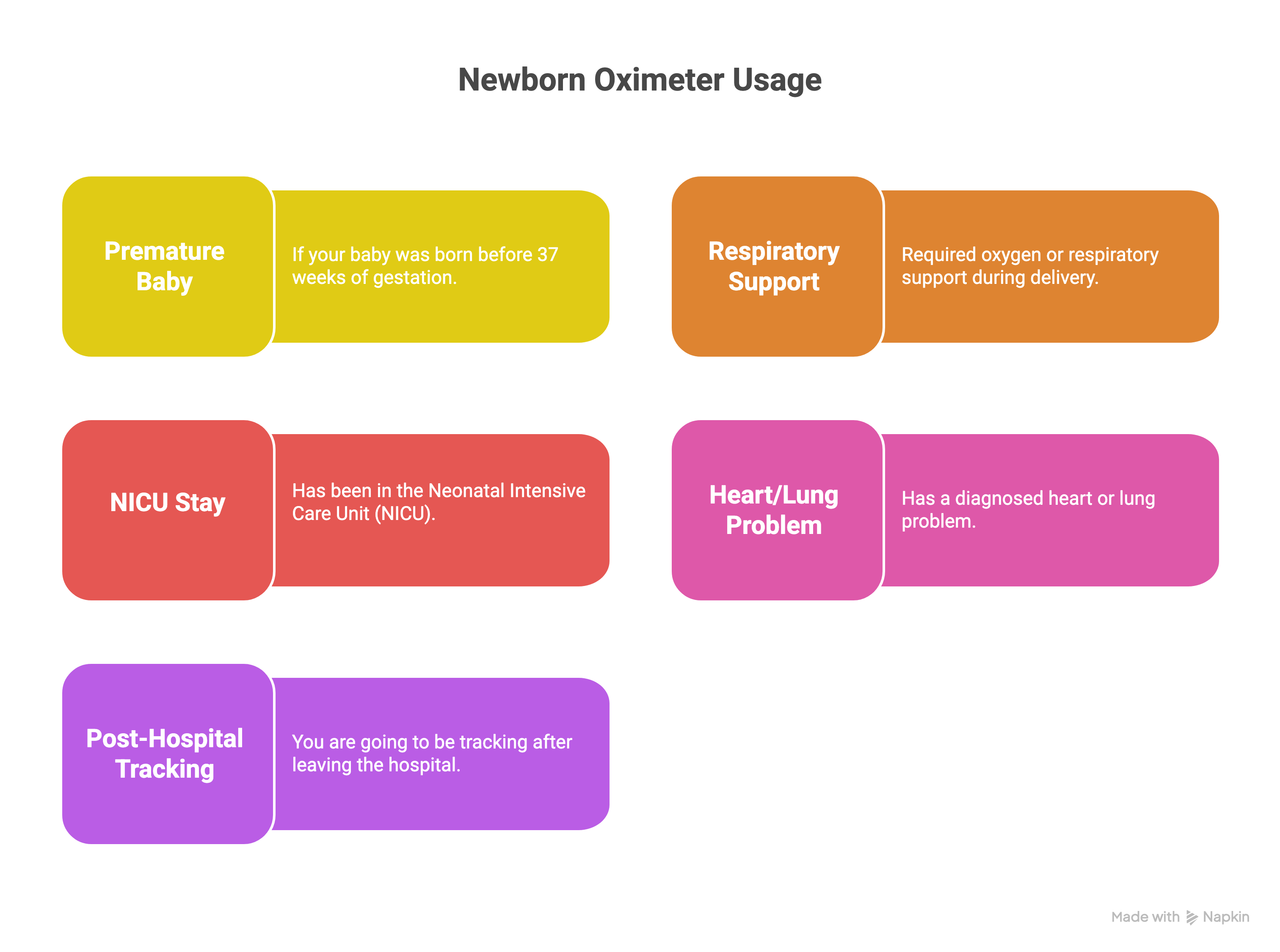
Use a newborn oximeter only if a pediatrician recommends oxygen monitoring or if the baby has known risk factors. Most healthy, full-term newborns don’t need home oxygen monitoring.
A newborn oximeter may be recommended in the following scenarios:
If your baby was premature
Required oxygen or respiratory support during delivery
Has been in the NICU
Has a diagnosed heart or lung problem
You are going to be tracking after leaving the hospital
Just remember, home oxygen monitoring is all about tracking oxygen trends over time, not diagnosing problems or preventing emergencies.
What Is a Newborn Oximeter and how does it works?
A newborn pulse oximeter is a compact medical tool that tracks two things:
The baby’s oxygen saturation in the bloodstream (SpO₂)
Heart rate
It does this by emitting light through the skin, usually on a foot or wrist, and then calculating oxygen saturation based on how that light is absorbed.
Home-use oximeters are designed specifically for newborns, whose physiology is different from adults in several key ways. Newborns have faster heart rates, smaller blood vessels, and more sensitive skin, which makes it impossible to get accurate readings from an adult pulse oximeter.
The information a newborn oximeter provides is for tracking purposes only. Physicians are interested in tracking changes over time, not in a single reading.
Why Newborn Oxygen Monitoring Is Important for Some Newborns
Oxygen saturation is vital to a newborn’s brain development, heart function, and overall growth. Most babies have no problem with oxygen saturation after birth, but some have fluctuations that require closer monitoring.
A neonatal oxygen saturation monitor may be recommended if your baby:
Was born with underdeveloped lungs due to prematurity
Required oxygen or respiratory support during delivery
Has a congenital heart or lung problem
Is transitioning home from NICU care
Warning Signs That May Indicate the Need for Monitoring
Parents are usually the first to observe changes in breathing, color, or feeding. While occasional changes are normal, persistent or worsening signs should be brought up with a pediatrician.
Warning Signs Related to Breathing
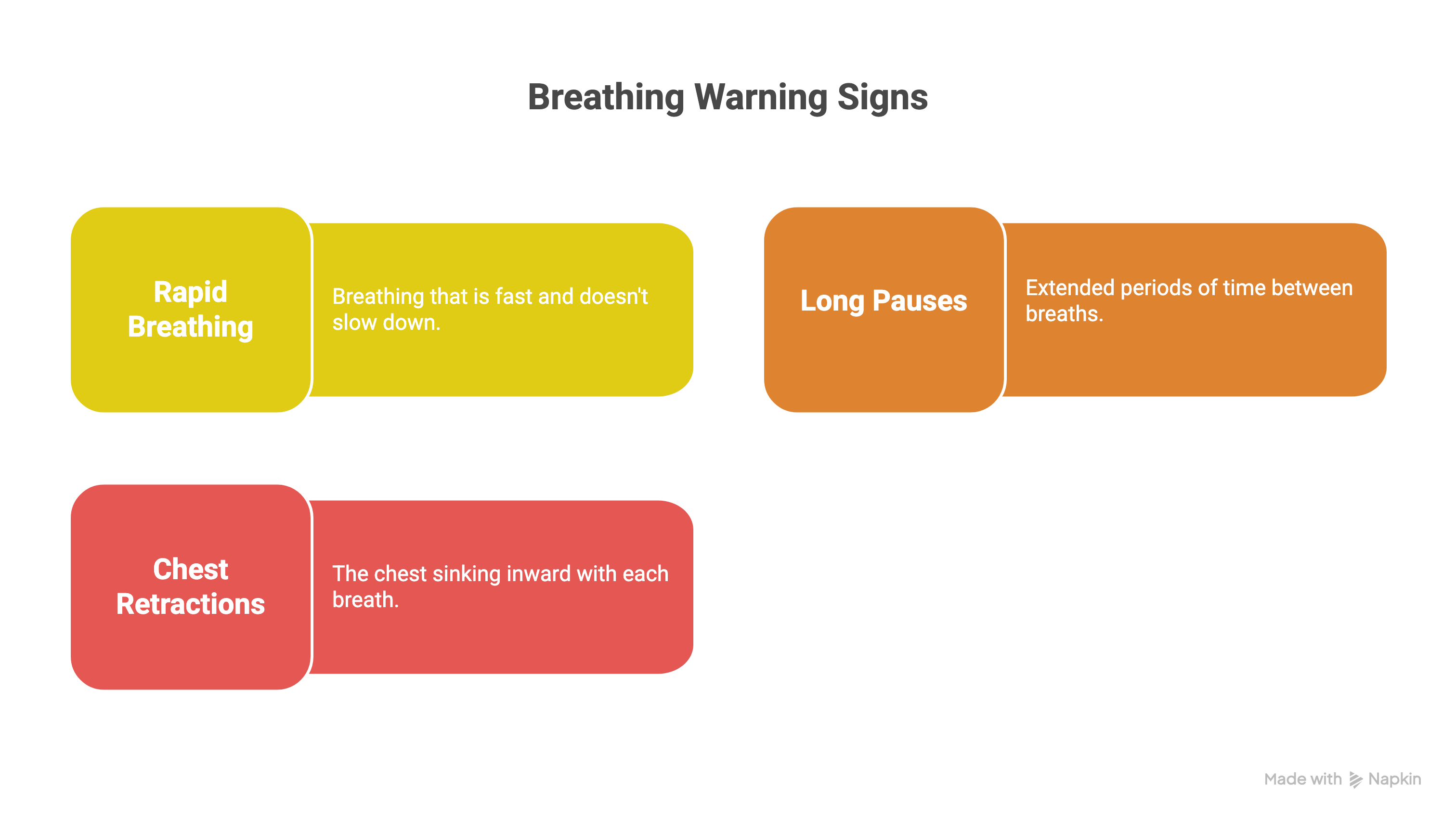
Rapid breathing that does not slow down
Long pauses between breaths
Continued chest retractions or nasal flaring
Warning Signs Related to Skin Color
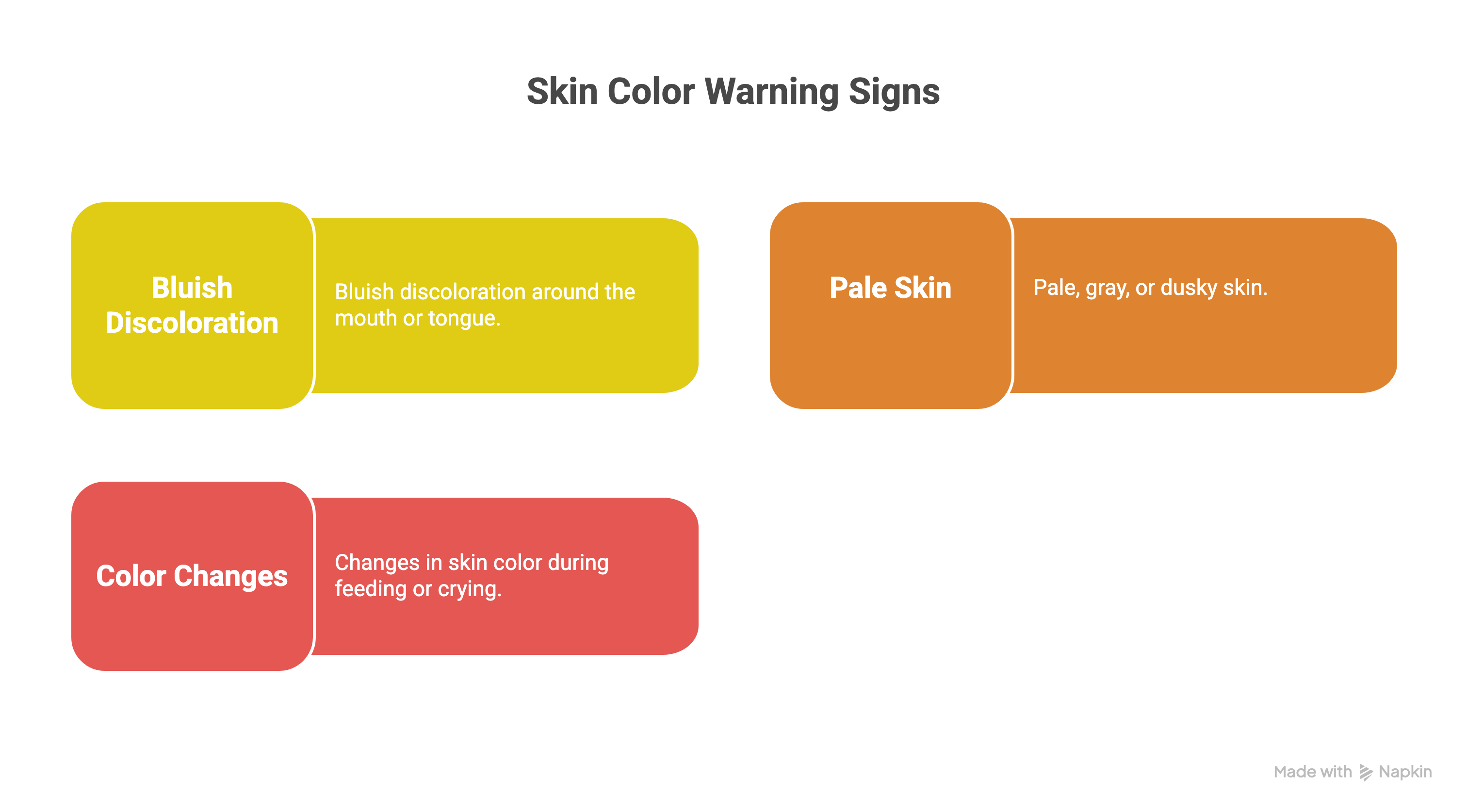
Bluish discoloration around the mouth or tongue
Pale, gray, or dusky skin
Changes in skin color during feeding or crying
Changes in Feeding or Activity
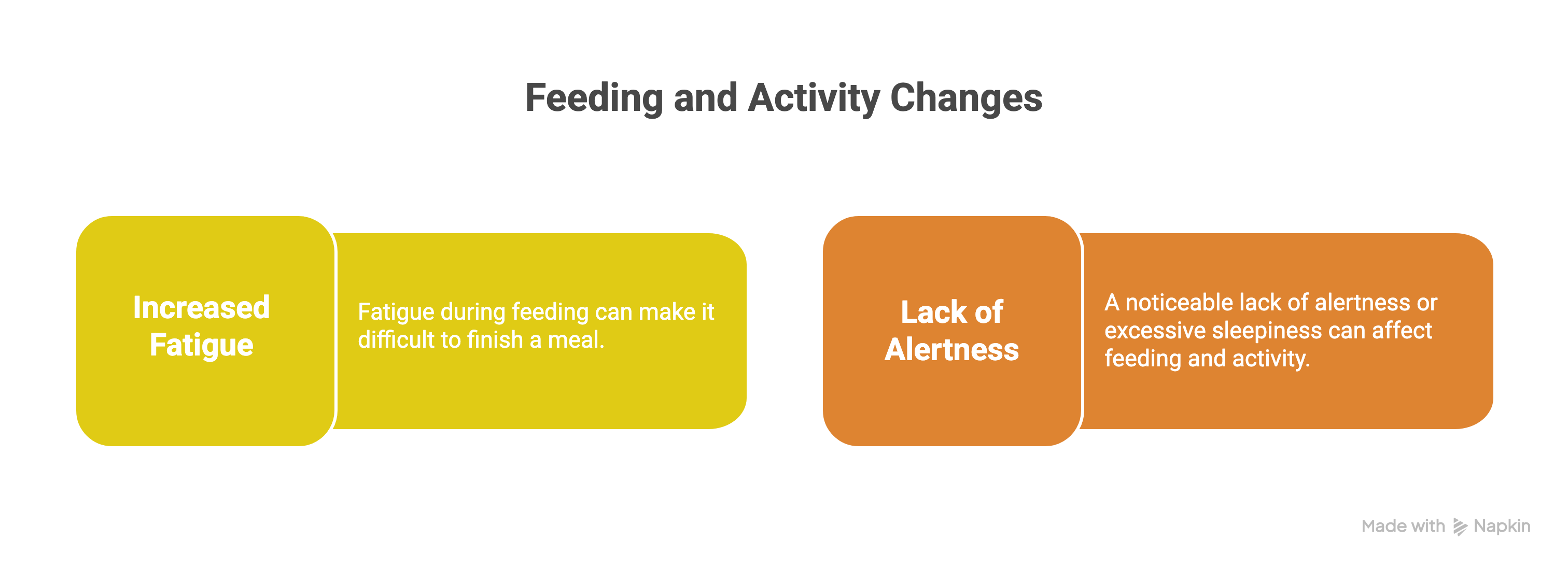
Fatigue during feeding
Difficulty completing a feed
Lack of alertness or excessive sleepiness
An oxygen monitor for a newborn can assist in determining whether these signs are associated with changes in oxygen saturation.
How Home Oxygen Monitoring Works
Home oxygen monitoring involves the use of a soft sensor from an infant pulse oximeter placed on the baby’s foot or wrist during rest or sleep. The sensor continuously or intermittently monitors oxygen saturation and heart rate, depending on the advice of a medical professional.
Parents usually monitor:
Oxygen saturation trends over time
Heart rate patterns
Alarms set within doctor-recommended ranges
Home monitoring should comply with pediatric recommendations to avoid unnecessary stress and over-monitoring.
Advantages of Using a Newborn Oximeter
When used under medical supervision, a newborn pulse oximeter can assist parents in the following ways:
Offer comfort during sleep
Allow early detection of persistent oxygen level changes
Offer objective information for follow-up appointments
Facilitate recovery after NICU hospitalization
The key advantage is informed awareness, not constant monitoring.
When to Contact a Pediatrician Right Away?
Seek medical attention if:
Oxygen readings stay below the level your doctor advised
Baby’s lips, face, or tongue appear persistently blue
Breathing becomes difficult or worsens
Long or frequent pauses in breathing occur
Poor feeding is accompanied by breathing issues
If something seems off, trust your instincts and consult your doctor — don’t wait for “perfect readings.”
Normal Oxygen Levels in Newborns
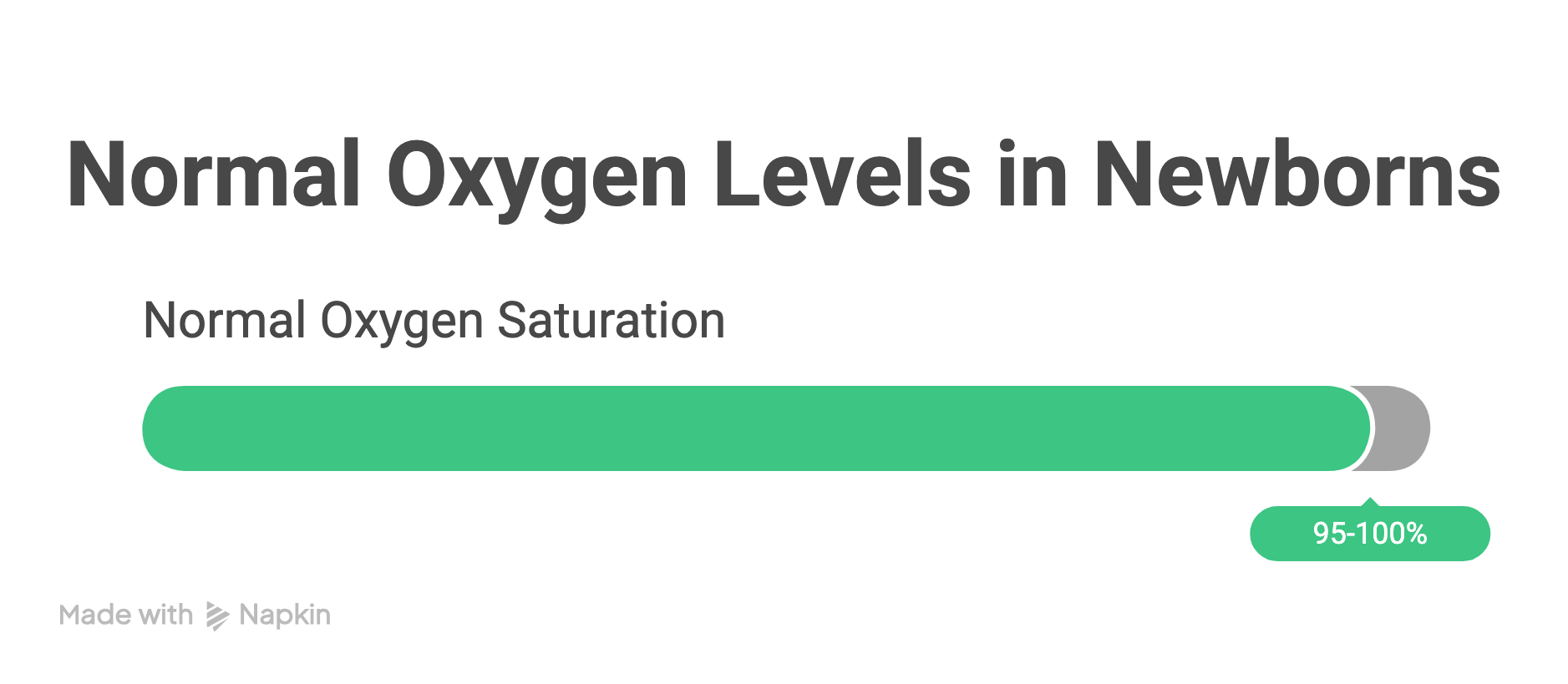
Healthy newborns typically have oxygen saturation values between 95% and 100%. Levels consistently below this range may require evaluation.
Why Choose Navam Baby Monitor?
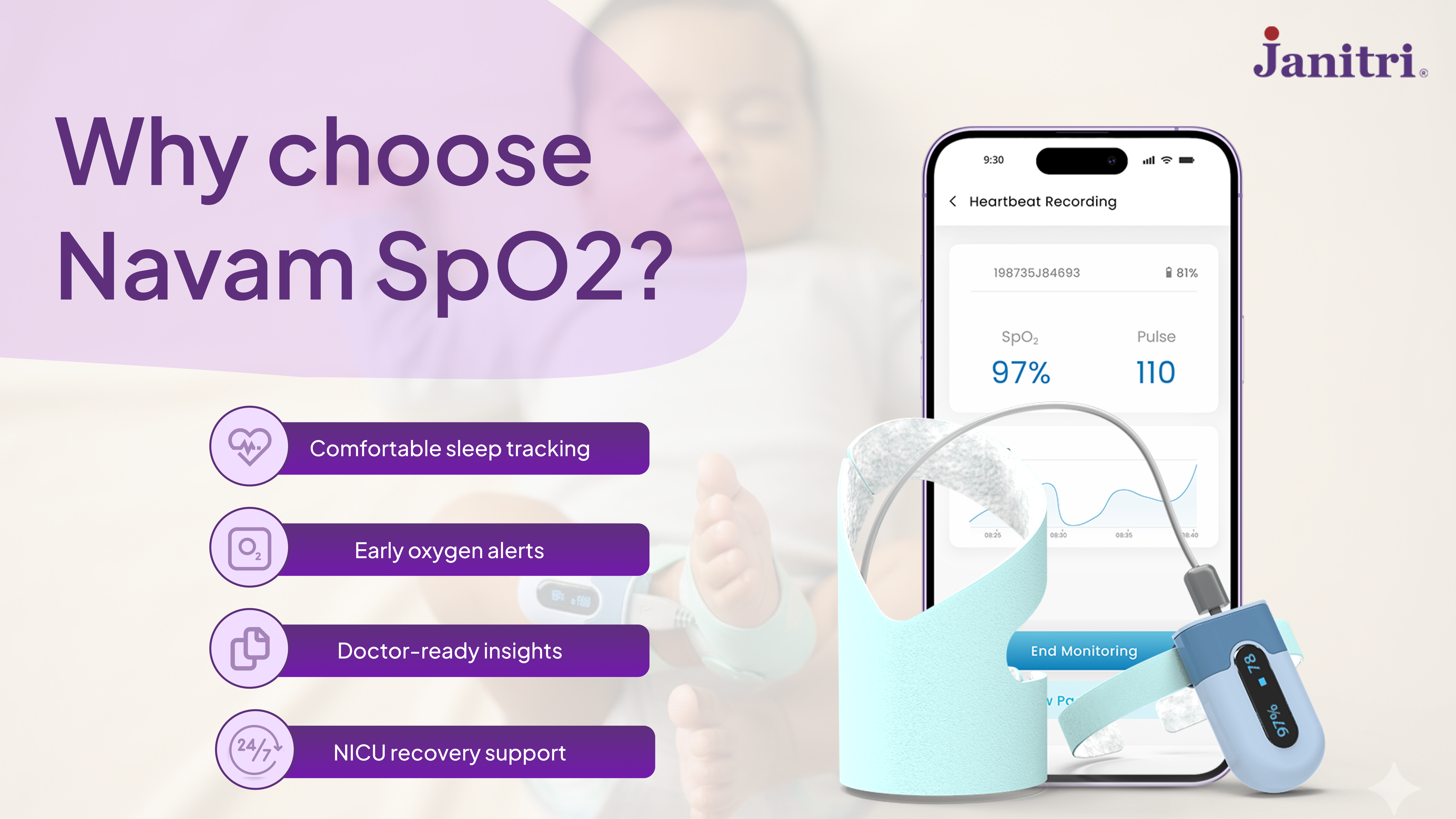
When oxygen monitoring is recommended, choosing the right device matters.
Navam Baby Monitor is designed specifically for newborns, with soft, baby-safe sensors and readings aligned with pediatric care practices. It focuses on tracking trends over time, helping parents stay informed without creating unnecessary anxiety.
Developed by Janitri, Navam baby monitor reflects real clinical experience in maternal and newborn care; supporting families during sensitive moments without replacing medical advice.
Conslusion
Not all babies require a newborn oximeter. For babies with specific medical requirements, it can be a helpful device for home observation. With responsible usage and pediatric recommendations, oxygen monitoring enables parents to identify significant warning signs while avoiding unnecessary anxiety.
Janitri promotes responsible newborn monitoring solutions for families that don’t require or replace medical care.
If your pediatrician has recommended home oxygen monitoring, Navam Baby monitor offers a gentle, medically aligned way to support your baby’s care at home. Learn more about Navam Baby Monitor and how it supports responsible newborn monitoring.
FAQ’S
1, How can parents check oxygen saturation in a newborn?
Parents can use a newborn pulse oximeter. The soft sensor is gently placed on the baby’s foot, and the oxygen level shows on the screen within a few seconds. It works best when the baby is calm or asleep.
2, How can parents tell if their baby is getting enough oxygen?
A baby who is getting enough oxygen usually has pink lips and tongue, breathes comfortably, and feeds well. If breathing looks hard, feeding becomes tiring, or the skin looks bluish, parents should contact a doctor.
3, At what oxygen level will Navam SpO₂ alert parents?
Navam SpO₂ gives an alert when oxygen levels drop below the safe range set for newborns. This helps parents notice changes early and take action if needed.
4, Where should parents place a pulse oximeter on a newborn?
The sensor is usually placed on the baby’s foot. It should fit comfortably and not be too tight. Proper placement helps get accurate readings.
5, What oxygen level is too low for a newborn?
Most newborns have oxygen levels between 95% and 100%. If readings stay below 92–94%, parents should talk to a doctor. Levels below 90% need medical attention right away.