Mothers
Slow Fetal Movement? NST and Fetal Doppler Can Help
Mar 10 • 6 min read
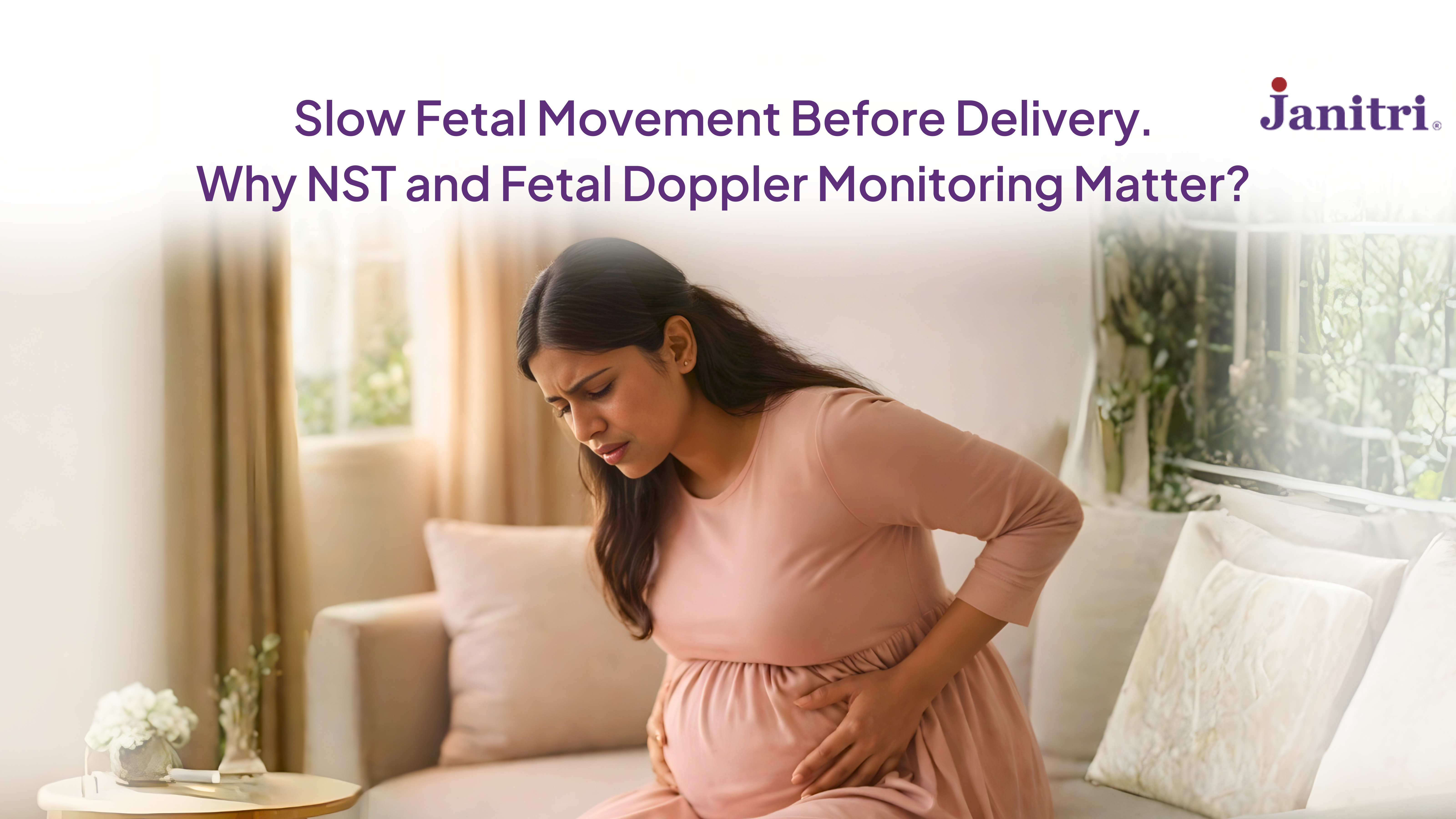
Table of Content
The Night Before Everything Changed During the Ninth Month of Pregnancy
The Morning That Felt Different: Noticing Slow Baby Movement in the 9th Month
Trusting a Mother’s Instinct During Late Pregnancy
The Hospital Visit After Reduced Baby Movement
The Test That Changed Everything:
When the doctor arrived, she examined me again.
The Moment the Baby’s Heartbeat Started Dropping
Emergency C-Section After Fetal Distress Detection
What Is Meconium in the Womb During Pregnancy?
Why Fetal Monitoring During Pregnancy Is Important?
How Home Pregnancy Monitoring Devices Can Help?
FAQs
What does an NST test check in pregnancy?
When should you go to the hospital before labour?
Can babies pass stool before birth?
Pregnancy is often described as one of the happiest phases of life. People talk about cravings, baby showers, nursery shopping, and the excitement of meeting the baby.Pregnancy is often described as one of the happiest phases of life. People talk about cravings, baby showers, nursery shopping, and the excitement of meeting the baby.
But there is something people rarely talk about during pregnancy.
The fear.
Especially during the ninth month of pregnancy, when every small change in your body suddenly feels important.
Everyone around you becomes an expert.
“Are you already in the ninth month?”
“Try for a normal delivery.”
“Is the baby in the right position?”
“Is it breech or cephalic?”
These questions followed me everywhere. At family gatherings, on phone calls, and even from people who barely understood what pregnancy really feels like.
At some point, I stopped worrying about normal delivery or C-section.
All I wanted was a healthy baby.
The Night Before Everything Changed During the Ninth Month of Pregnancy
Just one day before my delivery, it was a Saturday night.
I started feeling a strange pain in my stomach. It was intense and uncomfortable.
My doctor had advised me to finish dinner by 6 PM to avoid gastric discomfort during pregnancy.
But that day I had dinner around 7 PM.
Soon after that, the pain started.
My husband thought it might be gas. Honestly, I thought the same. Pregnancy comes with many discomforts that you learn to live with.
Back pain
Vomiting
Sleepless nights
Stomach discomfort
We went for a walk for about 40 minutes, hoping the pain would settle.
But it did not.
By 3 AM, I was still awake.
I tried using the washroom, hoping the discomfort would go away, but nothing changed.
Eventually, I sat on the sofa with pillows behind my back and somehow managed to sleep.
The Morning That Felt Different: Noticing Slow Baby Movement in the 9th Month
I woke up around noon the next day.
The pain had disappeared.
For a moment, I felt relieved. Maybe it was just gastric discomfort.
But then something unexpected happened.
When I went to the washroom, I noticed a blood clot.
My heart skipped a beat.
A friend of mine who had recently delivered had told me that sometimes blood clots appear before labour begins.
So I immediately told my husband,
“Pack the bag. Let’s go to the hospital.”
Before leaving, I went for a quick bath.
During my pregnancy, I had always noticed something.
Usually, after taking a bath, my baby would become very active. I would feel strong kicks and movements.
But that day felt different.
The movement was there.
But it was slow.
Not absent. Just slower than usual.
That small change made me uneasy.
Sometimes a mother notices the smallest change in baby movement during the ninth month.
Trusting a Mother’s Instinct During Late Pregnancy
Before leaving home, I did something many mothers do instinctively.
I prayed.
But my prayer that day was different.
I did not pray for a normal delivery.
I did not pray to avoid a C-section.
I simply prayed for a healthy baby.
The Hospital Visit After Reduced Baby Movement
We reached the hospital around 1:30 PM on Sunday.
The nurse examined me and did a manual check.
She told me something unexpected.
“There is no cervical dilation yet. You can come back next week.”
My due date was actually Tuesday.
But something inside me still felt uneasy.
So I asked if I could meet the doctor.
The nurse said the doctor would arrive around 2 PM.
So we decided to wait.
The Test That Changed Everything: NST Test in Pregnancy
When the doctor arrived, she examined me again.
She repeated the same thing.
“Everything looks normal. Cervix dilation has not started.”
But I still had one question.
“Then why did I see a blood clot?”
The doctor paused for a moment.
Then she asked the nurse to start an NST test during pregnancy.
What Is an NST Test in Pregnancy and Why Is It Important?
An NST test (Non-Stress Test) is a common fetal monitoring test during pregnancy used to check the baby's heart rate and overall well-being.
The test usually lasts about 20 minutes and monitors:
• Baby’s heart rate
• Baby’s movements
• Signs of fetal distress
NST monitoring helps doctors understand whether the baby is getting enough oxygen inside the womb.
It is often recommended in late pregnancy or when doctors suspect changes in baby movement in the ninth month.
The Moment the Baby’s Heartbeat Started Dropping
Within five minutes of starting the NST monitoring, the doctor noticed something alarming.
My baby’s heartbeat was dropping.
From 150 beats per minute to 90 beats per minute.
This sudden change indicated possible baby heartbeat dropping during labour or fetal distress.
The doctor immediately called my husband inside.
She asked us one question.
“Do you want to wait for normal delivery or should we go for an emergency C-section?”
My husband and I looked at each other.
We had the same answer.
“Whatever is safest for the baby.”
Emergency C-Section After Fetal Distress Detection
Within thirty minutes I was in the operation theatre.
This was during the COVID period, so I was wearing a medical mask as part of hospital protocol.
I remember fragments of that moment.
The cold operation room
Doctors moving quickly
The tension in the air
At 3:33 PM, my baby was born.
Later we learned something shocking.
What Is Meconium in the Womb During Pregnancy?
My baby had already passed stool inside the womb.
This is called meconium in the womb.
Sometimes, when a baby experiences stress inside the womb, they may pass stool before birth.
If the baby inhales this meconium mixed with amniotic fluid, it can lead to breathing complications after birth.
This condition is known as Meconium Aspiration Syndrome.
Because we reached the hospital in time, the doctors were able to act quickly and prevent complications.
My baby was kept in the ICU for around 30 minutes for observation.
After everything stabilized, they placed him in my arms.
And I started breastfeeding.
Why Fetal Monitoring During Pregnancy Is Important?
Looking back today, one thing is very clear.
My pregnancy was not considered high risk.
I was only 25 years old.
Everything had looked normal during checkups.
And yet something unexpected happened.
If I had ignored that instinct.
If we had gone back home.
If the NST monitoring test during pregnancy had not been done.
My story could have been very different.
Pregnancy can change quickly, especially in the final weeks.
That is why fetal monitoring during pregnancy is extremely important.
How Home Pregnancy Monitoring Devices Can Help?
Many mothers feel anxious between doctor visits.
Sometimes appointments are scheduled weeks apart.
During that time, small changes like reduced baby movement in the ninth month can cause worry.
This is where pregnancy monitoring devices can provide additional reassurance.

For example:
• Keyar DT Lite allows NST monitoring at home through a rental model
• Keyar Echo, a handheld fetal Doppler, allows mothers to listen to their baby’s heartbeat at home
These tools do not replace doctors or hospital visits.
But they can help monitor fetal heart rate during pregnancy and provide early insights between medical appointments.
Early monitoring can sometimes help doctors take timely action.
To Every Mother Experiencing Slow Baby Movement Before Delivery
Motherhood begins long before the baby is born.
It begins with instinct.
That quiet voice inside you that says something feels different.
Listen to it.
Trust it.
And whenever possible, support it with the right medical guidance and pregnancy monitoring technology.
Because sometimes a mother’s instinct, combined with the right monitoring, can save a life.
FAQs
Is slow baby movement in the ninth month normal?
Sometimes baby movements may change near the due date, but significantly reduced or slow baby movement should always be checked by a doctor.
What does an NST test check in pregnancy?
An NST test in pregnancy monitors the baby's heart rate and movements to ensure the baby is receiving enough oxygen inside the womb.
When should you go to the hospital before labour?
You should go to the hospital if you notice bleeding, leaking fluid, severe abdominal pain, or reduced baby movement during pregnancy.
Can babies pass stool before birth?
Yes. In some cases babies may pass stool inside the womb. This is known as meconium in the womb and requires medical monitoring.