Pregnancy Myths Debunked: Separating Fact from Fiction
Aug 4 • 13 min read
Table of Content
1. Myth: Eating for Two Means Doubling Your Calorie Intake
2. Myth: You Can't Exercise During Pregnancy
Exercise during pregnancy can help:
3. Myth: Pregnant Women Should Avoid All Seafood
The key is to choose seafood wisely:
4. Myth: Pregnant Women Need to Avoid All Caffeine
5. Myth: Pregnant Women Should Sleep Only on Their Left Side
6. Myth: Pregnant Women Shouldn't Touch Cats Due to Toxoplasmosis Risk
Here's what you need to know:
To minimise risk:
7. Myth: Heartburn During Pregnancy Means Your Baby Will Have a Full Head of Hair
To manage heartburn during pregnancy:
8. Myth: Pregnant Women Should Avoid Hair Dye
If you're still concerned, consider these precautions:
9. Myth: Pregnant Women Shouldn't Take Hot Baths or Use Hot Tubs
Here are some guidelines for safe bathing during pregnancy:
10. Myth: You Can Determine the Baby's Gender Based on How You're Carrying
Conclusion:
Remember to:
FAQs:
Pregnancy is an exciting yet often confusing time, filled with well-meaning advice from friends, family, and even strangers. While some guidance is helpful, many popular beliefs about pregnancy are myths.
Let's explore and debunk some common pregnancy misconceptions to help you navigate this special time with confidence and accurate information.
1. Myth: Eating for Two Means Doubling Your Calorie Intake
During pregnancy, the adage "eating for two" is often taken too literally. Many expectant mothers believe they need to increase their calorie intake to support their growing baby dramatically. However, this misconception can lead to excessive weight gain and potential health risks for both mother and child.
The truth is that while you do need additional calories during pregnancy, it's not nearly as much as you might think.
In the first trimester, you typically don't need any extra calories at all.
During the second trimester, an additional 340 calories per day is sufficient.
In the third trimester, you only need about 450 extra calories daily.
These extra calories should come from nutrient-dense foods, not empty calories from sugary or greasy snacks. It's important to focus on the quality of your diet rather than simply increasing quantity. Aim for a nutritious diet that includes fruits, vegetables, whole grains, lean proteins, and healthy fats. This will provide your body and your baby with the essential nutrients needed for healthy development without unnecessary excess weight gain.
Remember, every pregnancy is unique, and your specific caloric needs may vary based on factors such as your pre-pregnancy weight, activity level, and overall health. Always consult with your healthcare provider for personalised nutritional advice.
2. Myth: You Can't Exercise During Pregnancy
Many people believe that pregnancy and exercise don't mix, fearing that physical activity could harm the baby or lead to complications. This myth often results in pregnant women becoming overly sedentary, which can pose its own set of health risks.
In reality, regular exercise during pregnancy is not only safe for most women but also highly beneficial. The American College of Obstetricians and Gynaecologists recommends that pregnant women engage in at least 150 minutes of moderate-intensity aerobic activity every week, spread out over several days.
Exercise during pregnancy can help:
- Reduce back pain and constipation
- Decrease the risk of gestational diabetes and preeclampsia
- Improve your general fitness and strengthen your heart and blood vessels
- Boost mood and energy levels
- Promote better sleep
Most pregnant women can exercise safely, including walking, swimming, stationary cycling, and low-impact aerobics. Strength training with light weights or resistance bands is also generally safe. However, it's important to avoid high-impact activities, contact sports, and exercises that carry a high risk of falling.
Always consult with your healthcare provider before starting or continuing an exercise regimen during pregnancy. They can provide personalised advice based on your health status and any potential risk factors.
3. Myth: Pregnant Women Should Avoid All Seafood
The misconception that pregnant women should completely avoid seafood stems from valid concerns about mercury content and foodborne illnesses. However, this blanket avoidance deprives expectant mothers of essential nutrients that are crucial for fetal development.
The truth is that many types of seafood are not only safe but highly beneficial during pregnancy. Fish and shellfish are excellent sources of high-quality protein, omega-3 fatty acids (particularly DHA, which is crucial for fetal brain and eye development), iron, and zinc.
The key is to choose seafood wisely:
- Safe, low-mercury options include salmon, trout, sardines, anchovies, herring, and canned light tuna.
- Limit albacore (white) tuna to 6 ounces per week.
- Avoid high-mercury fish such as shark, swordfish, king mackerel, and tilefish.
- Ensure all seafood is thoroughly cooked to minimise the risk of foodborne illness.
The FDA and EPA recommend that pregnant women eat 8 to 12 ounces (2 to 3 servings) of low-mercury fish per week. This amount provides significant nutritional benefits without posing a risk from mercury exposure.
If you're concerned about seafood consumption or have specific dietary restrictions, consult with your healthcare provider. They can help you develop a meal plan that ensures you're getting the necessary nutrients while avoiding potential risks.
4. Myth: Pregnant Women Need to Avoid All Caffeine
The idea that pregnant women must completely abstain from caffeine is a common misconception. While it's true that excessive caffeine intake during pregnancy can be harmful, moderate consumption is generally considered safe.
Current guidelines from the American College of Obstetricians and Gynaecologists suggest that pregnant women can safely consume up to 200 milligrams of caffeine per day. This is roughly equivalent to one 12-ounce cup of coffee or two small cups of tea.
Caffeine does cross the placenta, which is why moderation is key. Excessive caffeine intake has been associated with an increased risk of miscarriage and low birth weight. However, when consumed in moderation, caffeine has not been linked to birth defects or developmental issues.
It's important to remember that caffeine is found in various sources beyond coffee and tea. Chocolate, some soft drinks, and certain medications also contain caffeine. Be sure to account for these sources when monitoring your daily intake.
If you're concerned about your caffeine consumption or experience increased sensitivity to caffeine during pregnancy, consider gradually reducing your intake or switching to decaffeinated alternatives. Always discuss any dietary concerns with your healthcare provider for personalised advice.
5. Myth: Pregnant Women Should Sleep Only on Their Left Side
Many pregnant women have heard that they should sleep exclusively on their left side. While left-side sleeping can have benefits, the idea that it's the only safe sleeping position is a myth.
The recommendation to sleep on the left side stems from the fact that this position can improve blood flow to the uterus and reduce swelling in the legs and feet. It may also help relieve back pain and reduce the risk of stillbirth, particularly in the third trimester.
However, it's not necessary or realistic to maintain this position all night, every night. Sleeping on your right side is also perfectly safe. The key is to avoid sleeping flat on your back for extended periods, especially in the later stages of pregnancy. This is because the weight of your uterus can compress major blood vessels, potentially reducing blood flow to your baby.
Here are some tips for comfortable and safe sleep during pregnancy:
- Use pillows to support your body, placing them between your knees, under your belly, or behind your back.
- If you wake up on your back, simply roll to your side and go back to sleep.
- Try a pregnancy pillow designed to support your changing body.
- Elevate your head slightly if you experience heartburn.
Remember, the most important thing is getting enough quality sleep. If you're having trouble sleeping, discuss your concerns with your healthcare provider. They may have additional suggestions to help you rest comfortably and safely.
6. Myth: Pregnant Women Shouldn't Touch Cats Due to Toxoplasmosis Risk
The fear of toxoplasmosis has led to the myth that pregnant women should avoid all contact with cats. While toxoplasmosis can indeed be harmful to a developing fetus, completely avoiding cats is unnecessary and often impractical for cat owners.
Toxoplasmosis is an infection caused by a parasite that can be found in cat faeces, particularly in outdoor cats that hunt. However, the risk of contracting toxoplasmosis from a house cat is relatively low, especially if you take proper precautions.
Here's what you need to know:
- Indoor cats that don't hunt or eat raw meat are unlikely to carry toxoplasmosis.
- The parasite isn't infectious immediately after a cat defecates. It takes 1-5 days for the parasite in the faeces to become infectious.
- You're more likely to contract toxoplasmosis from gardening in contaminated soil or eating undercooked meat than from your pet cat.
To minimise risk:
- Have someone else clean the litter box daily, if possible.
- If you must clean the litter box, use disposable gloves and thoroughly wash your hands afterwards.
- Keep your cat indoors.
- Don't feed your cat raw meat.
- Wash your hands after gardening or touching soil.
By taking these precautions, you can safely continue to enjoy the company of your feline friend throughout your pregnancy. If you have concerns about toxoplasmosis, discuss them with your healthcare provider. They may recommend testing to check if you've been previously exposed, which would mean you're immune.
7. Myth: Heartburn During Pregnancy Means Your Baby Will Have a Full Head of Hair
This is one of the more amusing pregnancy myths, suggesting that if a pregnant woman experiences significant heartburn, her baby will be born with a full head of hair. While it's a fun idea, there's no scientific evidence to support this claim.
Heartburn during pregnancy is extremely common, affecting up to 80% of pregnant women. It's primarily caused by hormonal changes and the growing uterus putting pressure on the stomach. These factors can cause the lower oesophagal sphincter (the valve between the oesophagus and stomach) to relax, allowing stomach acid to flow back into the oesophagus.
The amount of hair a baby is born with is determined by genetics and ethnicity, not by the mother's digestive symptoms. Some babies are born with full heads of hair, while others have little to none, regardless of whether their mothers experienced heartburn.
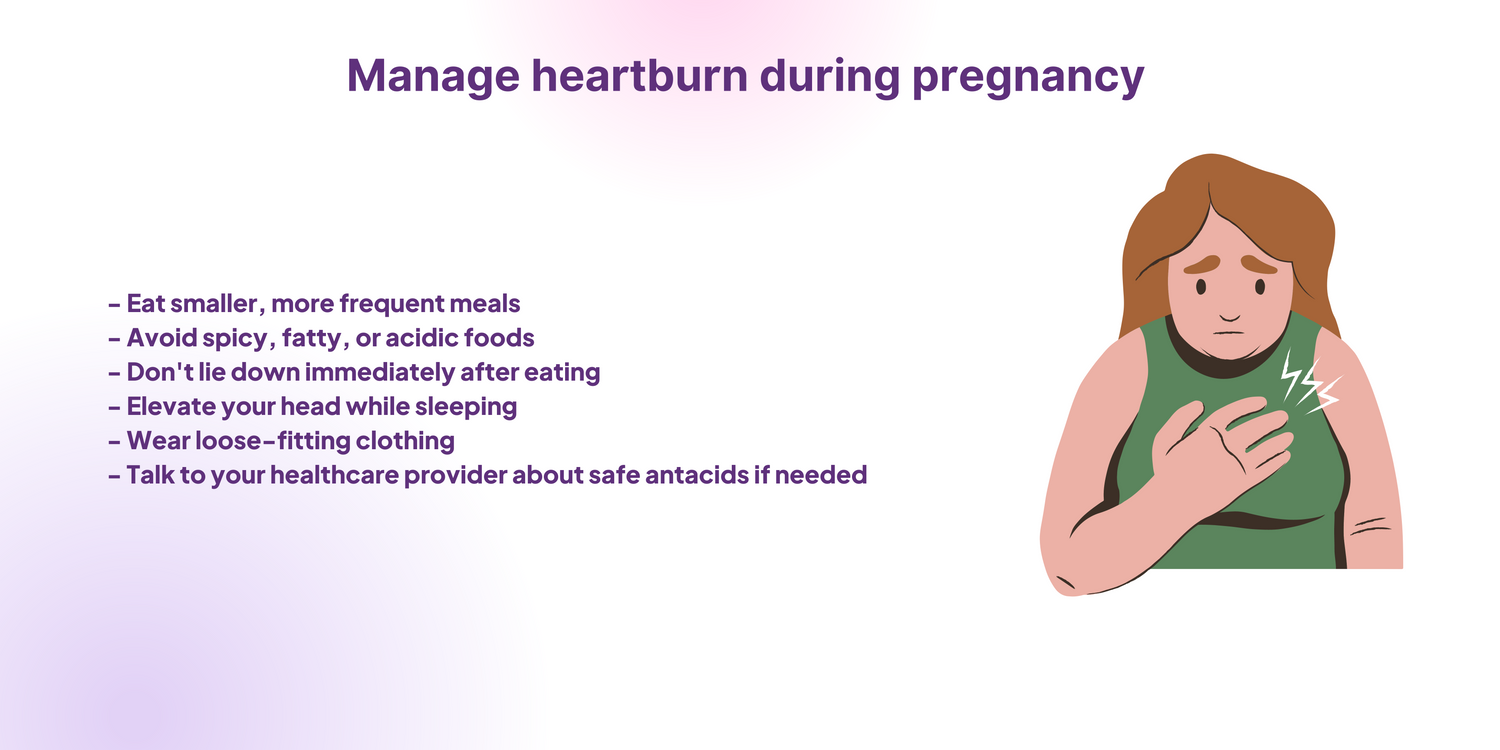
To manage heartburn during pregnancy:
- Eat smaller, more frequent meals
- Avoid spicy, fatty, or acidic foods
- Don't lie down immediately after eating
- Elevate your head while sleeping
- Wear loose-fitting clothing
- Talk to your healthcare provider about safe antacids if needed
Remember, while heartburn can be uncomfortable, it's a normal part of pregnancy for many women and doesn't predict your baby's characteristics.
8. Myth: Pregnant Women Should Avoid Hair Dye
Many women worry about colouring their hair during pregnancy, fearing that the chemicals in hair dye could harm their developing baby. However, this concern is largely unfounded.
According to the American College of Obstetricians and Gynaecologists, colouring your hair during pregnancy is generally considered safe. Here's why:
- Very little of the chemicals in hair dye are absorbed through the scalp.
- What is absorbed is metabolised quickly by your body.
- Modern hair dyes are less harsh than those used in the past.
If you're still concerned, consider these precautions:
- Wait until the second trimester to colour your hair, when the risk to the developing baby is even lower.
- Choose highlights or balayage techniques that don't involve direct contact with the scalp.
- Use natural, plant-based dyes like henna.
- Ensure good ventilation in the area where you're colouring your hair.
- Always follow the instructions on the hair dye package.
Remember, if you work as a hairstylist, it's important to wear gloves and work in a well-ventilated area to minimise exposure to hair dye chemicals.
As with any concern during pregnancy, if you're unsure about using hair dye, consult with your healthcare provider. They can provide personalized advice based on your health status and any potential risk factors.
9. Myth: Pregnant Women Shouldn't Take Hot Baths or Use Hot Tubs
The idea that pregnant women should avoid all heat exposure is an oversimplification of a valid concern. While it's true that overheating can potentially harm a developing fetus, especially in the first trimester, this doesn't mean you need to avoid all warm water activities.
The main concern is raising your core body temperature above 102°F (39°C) for an extended period, potentially leading to neural tube defects or other complications. However, taking a warm bath or briefly using a hot tub is unlikely to raise your body temperature to this level.
Here are some guidelines for safe bathing during pregnancy:
- Keep bath water below 100°F (38°C). Use a thermometer if you're unsure.
- Limit your time in the hot tub to 10 minutes or less.
- Exit the water if you feel overheated, dizzy, or uncomfortable.
- Stay hydrated by drinking cool water before and after bathing.
- Avoid sudden temperature changes, which can cause dizziness.
Remember, a warm (not hot) bath can be beneficial during pregnancy, helping to relieve aches, reduce stress, and promote relaxation. If you have any concerns about your specific situation, consult with your healthcare provider.
10. Myth: You Can Determine the Baby's Gender Based on How You're Carrying
One of the most persistent pregnancy myths is the idea that you can predict a baby's gender based on how the mother is carrying it. Common versions of this myth suggest that carrying high means it's a girl while carrying low indicates a boy.
In actuality, no scientific data supports these claims. Several factors determine how a woman bears her pregnancy, but none of them are related to the baby's gender.
- Muscle tone in the abdomen
- The position of the baby
- The mother's body shape and size
- Whether it's a first pregnancy or subsequent one (muscles are often more relaxed in later pregnancies)
- The amount of amniotic fluid
The only reliable ways to determine a baby's sex during pregnancy are through medical tests such as:
- Non-invasive prenatal testing (NIPT): A blood test that can be done as early as 10 weeks
- Chorionic villus sampling (CVS): Usually performed between 10 and 13 weeks
- Amniocentesis: Typically done between 15 and 20 weeks
- Ultrasound: Can usually determine sex by around 18-20 weeks, though it's not 100% accurate
Remember, whether you're having a boy or a girl, the most important thing is the health of both mother and baby. Focus on taking care of yourself and enjoying the anticipation of meeting your little one, regardless of their gender.
Conclusion:
Pregnancy is a time of wonder, excitement, and, often, information overload. While it's natural to seek advice and guidance, it's crucial to distinguish between fact and fiction. Many popular pregnancy myths, though well-intentioned, can lead to unnecessary worry or potentially harmful practices.
The key to a healthy pregnancy is to rely on evidence-based information from reputable sources and to maintain open communication with your healthcare provider. Every pregnancy is unique, and what works for one woman may not be appropriate for another.
Remember to:
1. Eat a balanced, nutritious diet without overdoing calories
2. Stay active with safe exercises approved by your doctor
3. Enjoy a variety of safe, low-mercury seafood
4. Moderate your caffeine intake
5. Sleep comfortably, favouring side positions in later pregnancy
6. Take sensible precautions with pets and personal care routines
7. Trust reliable medical tests for important information like your baby's gender
By separating fact from fiction, you can approach your pregnancy with confidence, making informed decisions that support your health and your baby's development. Embrace this special time, ask questions when you're unsure, and don't let myths and old wives' tales overshadow the joy of your pregnancy journey.
FAQs:
Q: What types of foods should I focus on during pregnancy?
A: Consume nutrient-dense foods including fruits, vegetables, whole grains, lean proteins, and healthy fats.
Q: Can I eat whatever I want since I'm eating for two?
A: Give priority to quality above quantity. Avoid empty calories from sugary or fatty snacks.
Q: Can I eat seafood during pregnancy?
A: Yes, many types of seafood are safe and beneficial. Choose low-mercury options like salmon, trout, sardines, anchovies, herring, and canned light tuna.
Q: How much seafood can I safely eat during pregnancy?
A: The FDA and EPA recommend 8 to 12 ounces (2 to 3 servings) of low-mercury fish per week.
Q: How can I manage heartburn during pregnancy?
A: Eat smaller, more frequent meals, avoid spicy and fatty foods, don't lie down immediately after eating, and elevate your head while sleeping.
Q: Are there any precautions I should take if I want to dye my hair?
A: Consider waiting until the second trimester, choosing highlights or balayage techniques, using natural dyes like henna, ensuring good ventilation, and following the instructions on the hair dye package.
Q: Can I take a hot bath or use a hot tub during pregnancy?
A: You can take warm baths and use hot tubs briefly. Keep the water below 100°F (38°C) and limit time in hot tubs to 10 minutes or less.