Pregnancy and Sleep: Tips for Getting Restful Nights
Aug 4 • 13 min read
Table of Content
Understanding Sleep Changes During Pregnancy
a) First Trimester:
b)
c) Third Trimester:
The Importance of Sleep During Pregnancy
Quality sleep during pregnancy offers numerous benefits:
Creating a Sleep-Friendly Environment
Consider the following strategies for creating a sleep-friendly environment:
Developing a Consistent Sleep Routine
Here are some tips for developing a consistent sleep routine:
Finding Comfortable Sleeping Positions
Here are some tips for finding comfortable sleeping positions during pregnancy:
Addressing Common Sleep Disruptors
Nutrition and Exercise for Better Sleep
Nutrition tips for better sleep:
Exercise tips for better sleep:
Seeking Professional Help
When to consult your healthcare provider:
Your healthcare provider can:
Conclusion
FAQs:
Are you having trouble falling asleep? Worry not! Sleep is a vital component of a healthy pregnancy, contributing to both the mother's and the baby's well-being. Finding comfort and rest becomes increasingly difficult as your body undergoes significant changes.
Explore this significant blog on sleep in pregnancy and discover helpful tips for improving your rest.
Understanding Sleep Changes During Pregnancy
Pregnancy brings about numerous physical and hormonal changes that can significantly impact your sleep patterns. From increased fatigue to discomfort and anxiety, various factors contribute to sleep disturbances. Understanding these changes is the first step in addressing sleep issues and finding effective solutions.
During pregnancy, your body undergoes a series of transformations to support the growing fetus. These changes can affect your sleep in various ways:
a) First Trimester:
In the early stages of pregnancy, many women experience increased fatigue due to hormonal changes and the body's efforts to support fetal development. You may require more sleep than usual, yet frequent urination and morning sickness can interrupt your sleep.
b) Second Trimester:
You were often considered the "honeymoon phase" of pregnancy; the second trimester typically brings some relief from early pregnancy symptoms. However, finding comfortable sleeping positions may become challenging as your belly grows. You might also experience leg cramps or vivid dreams affecting sleep quality.
c) Third Trimester:
The final stretch of pregnancy often presents the most significant sleep challenges. Your growing belly can make it difficult to find a comfortable position, while heartburn, back pain, and frequent urination can lead to multiple nighttime awakenings.
Understanding these changes can help you anticipate and prepare for potential sleep issues throughout your pregnancy.
The Importance of Sleep During Pregnancy
Sleep is essential for both maternal and fetal health. Getting enough rest supports your body's ability to nurture your growing baby and helps you cope with the physical and emotional demands of pregnancy.
Quality sleep during pregnancy offers numerous benefits:
a) Reduced risk of complications:
Studies have shown that pregnant women who consistently get enough sleep may have a lower risk of developing gestational diabetes, preeclampsia, and other pregnancy-related complications.
b) Improved fetal development:
Proper rest supports optimal fetal growth and development. When you sleep, your body directs more blood flow to the uterus, providing essential nutrients and oxygen to your baby.
c) Enhanced immune function:
Adequate sleep helps boost your immune system, reducing the risk of infections that could potentially harm you or your baby.
d) Better emotional well-being:
Pregnancy can be an emotionally challenging time. Getting enough sleep can help regulate mood, reduce stress, and lower the risk of prenatal depression and anxiety.
e) Preparation for labour and delivery:
Being well-rested can help you better cope with the physical demands of labour and delivery, potentially leading to a smoother birth experience.
f) Postpartum recovery:
Establishing good sleep habits during pregnancy can lay the foundation for better sleep postpartum, aiding in your recovery and your ability to care for your newborn.
Given the importance of sleep during pregnancy, it's crucial to prioritise rest and develop strategies to overcome sleep challenges.
Creating a Sleep-Friendly Environment
One of the most effective ways to improve sleep quality during pregnancy is to optimize your sleep environment. A comfortable and relaxing bedroom can significantly enhance your ability to fall asleep and stay asleep throughout the night.
Consider the following strategies for creating a sleep-friendly environment:
a) Invest in a supportive mattress:
A good mattress is essential for comfort during pregnancy. If your present mattress is outdated or uncomfortable, consider upgrading to one that can accommodate your changing body.
b) Use pregnancy pillows:
Specialised pregnancy pillows can help support your growing belly, relieve pressure on your back and hips, and promote better alignment while sleeping. Experiment with many types of pillows to find the one that best suits you.
c) Control room temperature:
Pregnancy can make you feel warmer than usual. Keep your bedroom cool (around 65°F or 18°C) to promote better sleep. Breathable bedding and sleepwear can help you control your body temperature.
d) Minimise noise:
If you're sensitive to noise, use earplugs or a white noise machine to create a calm, quiet environment conducive to sleep.
e) Darken the room:
Use blackout curtains or an eye mask to block out light, which can interfere with your body's natural sleep-wake cycle.
f) Keep electronics out of the bedroom:
The blue light emitted by smartphones, tablets, and computers can disrupt your sleep patterns. Try not to use these devices for at least one hour before bedtime.
g) Use calming scents:
Certain aromatherapy scents, such as lavender or chamomile, can promote relaxation. Consider using a diffuser with pregnancy-safe essential oils to create a soothing atmosphere.
By creating a sleep-friendly environment, you can set the stage for more restful nights throughout your pregnancy.
Developing a Consistent Sleep Routine
Establishing a regular sleep schedule and relaxing bedtime routine can help signal to your body that it's time to wind down and prepare for sleep. This is particularly important during pregnancy when hormonal changes and physical discomfort can disrupt your natural sleep patterns.
Here are some tips for developing a consistent sleep routine:
a) Set a regular sleep schedule:
Effort to maintain a consistent sleep schedule by going to bed and waking up at the same time each day, including weekends. This practice aids in regulating your body's internal clock and enhancing the quality of your sleep.
b) Create a relaxing bedtime ritual:
Develop a calming routine to help you transition from daytime activities to sleep. This might include taking a warm bath, reading a book, practicing gentle stretches, or listening to soothing music.
c) Practice relaxation techniques:
Incorporate relaxation exercises into your bedtime routine. Deep breathing, progressive muscle relaxation, or guided imagery can help reduce stress and promote sleep.
d) Limit caffeine and heavy meals:
Refrain from having caffeine later in the day because it hampers sleep. To avoid heartburn and indigestion, aim to finish eating your meals around two to three hours before going to sleep.
e) Stay hydrated throughout the day:
Drink plenty of water during the day, but taper off in the evening to minimise nighttime bathroom trips.
f) Exercise regularly:
Engage in moderate exercise during the day, but avoid vigorous activity close to bedtime. Regular physical activity can improve sleep quality, but exercising too late in the day may make it harder to fall asleep.
g) Manage stress:
Address any worries or anxieties before bedtime. Consider keeping a journal to write down your thoughts and concerns, or talk to a supportive friend or partner.
h) Practice good sleep hygiene:
Use your bed only for sleep and intimacy. Avoid working, watching TV, or using electronic devices in bed, as these activities can make it harder to associate your bed with sleep.
By consistently following a sleep routine, you can train your body and mind to prepare for rest, potentially improving both the quantity and quality of your sleep during pregnancy.
Finding Comfortable Sleeping Positions
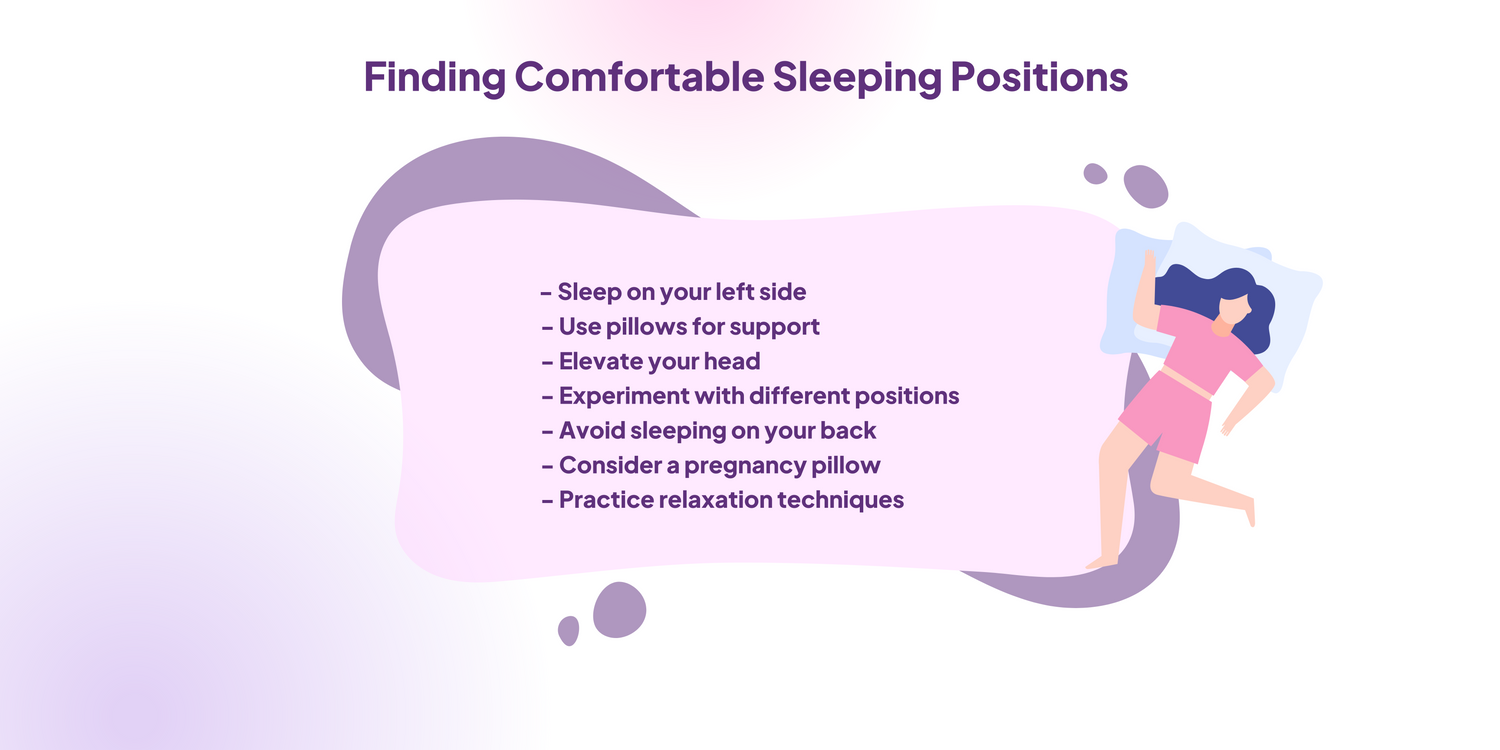
As your pregnancy progresses, finding a comfortable sleeping position becomes increasingly challenging. The growing belly, back pain, and other physical changes can make it difficult to get comfortable and stay asleep throughout the night.
Here are some tips for finding comfortable sleeping positions during pregnancy:
a) Sleep on your left side:
Sleeping on your left side is often recommended during pregnancy, as it can improve blood flow to the uterus and reduce swelling in your legs and feet. This position also helps relieve pressure on your back and may reduce heartburn.
b) Use pillows for support:
Place pillows between your knees, behind your back, and under your belly to provide extra support and alleviate pressure on your joints and muscles.
c) Elevate your head:
If you experience heartburn or shortness of breath, try propping up your upper body with extra pillows or using a wedge pillow.
d) Experiment with different positions:
While sleeping on your left side is generally recommended, you may find other positions more comfortable. Try slight variations, such as a semi-reclined position or sleeping at a slight angle, to find what works best for you.
e) Avoid sleeping on your back:
As your pregnancy progresses, sleeping on your back can put pressure on major blood vessels, potentially reducing blood flow to your uterus. Roll over to your side if you find yourself waking up on your back.
f) Consider a pregnancy pillow:
Specially designed pregnancy pillows, such as U-shaped or full-length body pillows, can provide comprehensive support and help you maintain a comfortable position throughout the night.
g) Practice relaxation techniques:
If you're having trouble getting comfortable, try deep breathing or progressive muscle relaxation to help your body relax and ease into sleep.
Remember that what works best may change as your pregnancy progresses. Be patient and willing to adapt your sleeping position as needed to ensure the most restful nights possible.
Addressing Common Sleep Disruptors
Pregnancy can bring about various physical discomforts and symptoms that can interfere with sleep. By addressing these common sleep disruptors, you can improve your chances of getting a good night's rest.
Here are some strategies for dealing with common pregnancy-related sleep issues:
a) Frequent urination:
Limit fluid intake in the evening, but stay well-hydrated during the day.
Empty your bladder before bed.
Use a nightlight in the bathroom to avoid bright lights that can fully wake you up during nighttime trips.
b) Heartburn and indigestion:
Eat smaller, more frequent meals during the day.
Avoid spicy, acidic, or oily foods, especially before going to sleep.
Sleep with your head elevated to reduce acid reflux.
Consult your physician about safe antacids or other medications.
c) Leg cramps:
Stay hydrated and ensure you're getting enough magnesium and potassium in your diet.
Stretch your calf muscles before bed.
Wear supportive shoes during the day and avoid crossing your legs when sitting.
d) Back pain:
Use a supportive mattress and pregnancy pillow.
Practice good posture during the day.
Try gentle stretching or prenatal yoga to alleviate back tension.
e) Restless leg syndrome:
Exercise regularly and moderately throughout the day.
Massage your legs before bed or take a warm bath to relax your muscles.
Discuss iron supplementation with your healthcare provider, as iron deficiency can contribute to restless leg syndrome.
f) Nasal congestion:
To moisten the air in your bedroom, use a humidifier.
Try saline nasal sprays or nasal strips to help clear congestion.
Sleep with your head slightly elevated.
g) Vivid dreams or nightmares:
Establish a calming bedtime routine to reduce anxiety.
Practice relaxation techniques before sleep.
If dreams are causing significant distress, consider talking to a therapist or counsellor.
h) Insomnia:
Stick to a consistent sleep schedule.
Avoid naps late in the day.
Practice relaxation techniques or meditation before bed.
If insomnia persists, discuss safe treatment options with your healthcare provider
By addressing these common sleep disruptors, you can significantly improve your sleep quality during pregnancy.
Nutrition and Exercise for Better Sleep
What you eat and how you move your body during pregnancy can have a significant impact on your sleep quality. Proper nutrition and regular exercise can help alleviate some pregnancy discomforts and promote better rest.
Nutrition tips for better sleep:
a) Balance your meals:
Eat a variety of nutrient-dense foods to support your body's changing needs and help regulate sleep-wake cycles.
b) Include sleep-promoting foods:
Incorporate foods rich in tryptophan, magnesium, and complex carbohydrates, which can promote sleep. Examples include turkey, nuts, seeds, whole grains, and bananas.
c) Avoid trigger foods:
Identify and avoid foods that cause heartburn or indigestion, especially in the evening.
d) Stay hydrated:
Drink plenty of water throughout the day, but taper off in the evening to reduce nighttime bathroom trips.
e) Limit caffeine:
Avoid coffee in the afternoon and evening, as it can disrupt sleep. Remember that caffeine is found not only in coffee but also in some teas, chocolate, and soft drinks.
f) Consider a bedtime snack:
A light, protein-rich snack before bed can help stabilize blood sugar levels and prevent hunger-related sleep disturbances.
Exercise tips for better sleep:
a) Engage in regular, moderate exercise:
Aim for at least 30 minutes of moderate activity on most days of the week. This can include walking, swimming, or prenatal yoga.
b) Time your workouts:
Exercise earlier in the day or at least 3-4 hours before bedtime to avoid overstimulation close to sleep time.
c) Try prenatal yoga or stretching:
Gentle yoga or stretching can help relieve muscle tension and promote relaxation before bed.
d) Practice pelvic floor exercises:
Kegel exercises can help strengthen the pelvic floor muscles, potentially reducing discomfort and improving sleep.
e) Stay active throughout the day:
Incorporate movement into your daily routine, such as taking short walks or doing gentle stretches, to promote overall well-being and better sleep.
f) Listen to your body:
Adjust your exercise routine as needed throughout your pregnancy, and always consult with your healthcare provider before starting or continuing any exercise program.
By focusing on proper nutrition and regular, safe exercise during pregnancy, you can support your body's changing needs and potentially improve your sleep quality.
Seeking Professional Help
While some sleep challenges are common during pregnancy, persistent sleep issues can affect your health and well-being. If you're consistently struggling to get adequate rest, it's important to seek professional help.
When to consult your healthcare provider:
a) Persistent insomnia:
If you have difficulty falling asleep or staying asleep for several weeks, despite trying various self-help strategies.
b) Excessive daytime sleepiness:
If you're experiencing unusual fatigue during the day that interferes with your daily activities.
c) Loud snoring or gasping during sleep:
These symptoms may indicate sleep apnea, which can be more common during pregnancy and may require treatment.
d) Restless leg syndrome:
If you experience uncomfortable sensations in your legs that disrupt your sleep.
e) Severe anxiety or depression:
If sleep issues are accompanied by persistent feelings of anxiety or depression.
Your healthcare provider can:
Assess your overall health and pregnancy progress
Rule out any underlying medical conditions
Provide safe treatment options for sleep-related issues
Refer to a sleep specialist if necessary.
Offer guidance on lifestyle modifications to improve sleep
Remember that asking for help is an indication of strength, not weakness. Your healthcare professional is available to assist you and guarantee the best possible outcome for you and your baby.
Conclusion
A good pregnancy requires adequate sleep because it benefits the health of the mother and the baby. While sleep challenges are common during this transformative time, there are numerous strategies you can employ to improve your sleep quality and quantity.
By understanding the sleep changes that occur during pregnancy, creating a sleep-friendly environment, developing consistent sleep routines, finding comfortable sleeping positions, addressing common sleep disruptors, focusing on proper nutrition and exercise, and seeking professional help when needed, you can work towards achieving more restful nights throughout your pregnancy journey.
Prioritising your sleep during pregnancy is an investment in your health and the health of your growing baby. With the right strategies and support, you can overcome sleep challenges and enjoy more restful nights as you prepare for the exciting journey of motherhood ahead.
FAQs:
Q: Why is sleep important during pregnancy?
A: Adequate sleep is crucial for both maternal and fetal health. It supports your body’s ability to nurture your growing baby, reduces the risk of pregnancy-related complications, improves emotional well-being, and helps prepare for labour and postpartum recovery.
Q: What are the common sleep challenges during pregnancy?
A: Common sleep challenges include increased fatigue, frequent urination, morning sickness, leg cramps, vivid dreams, heartburn, back pain, and anxiety. These issues can vary across different trimesters and impact sleep quality and duration.
Q: When should I seek professional help for sleep issues during pregnancy?
A: Consult your healthcare provider if you experience persistent insomnia, excessive daytime sleepiness, loud snoring or gasping during sleep, restless leg syndrome, or severe anxiety or depression. Your provider can assess your health, rule out underlying conditions, and offer safe treatment options.
Q: What are the benefits of quality sleep during pregnancy?
A: Quality sleep reduces the risk of complications like gestational diabetes and preeclampsia, supports optimal fetal development, enhances immune function, improves emotional well-being, helps with labour preparation, and aids in postpartum recovery.