Mothers
Managing SpO₂ Levels in Children During Monsoon Guide.
Sep 10 • 3 min read
Table of Content
What Are SpO₂ Levels and Why Do They Matter?
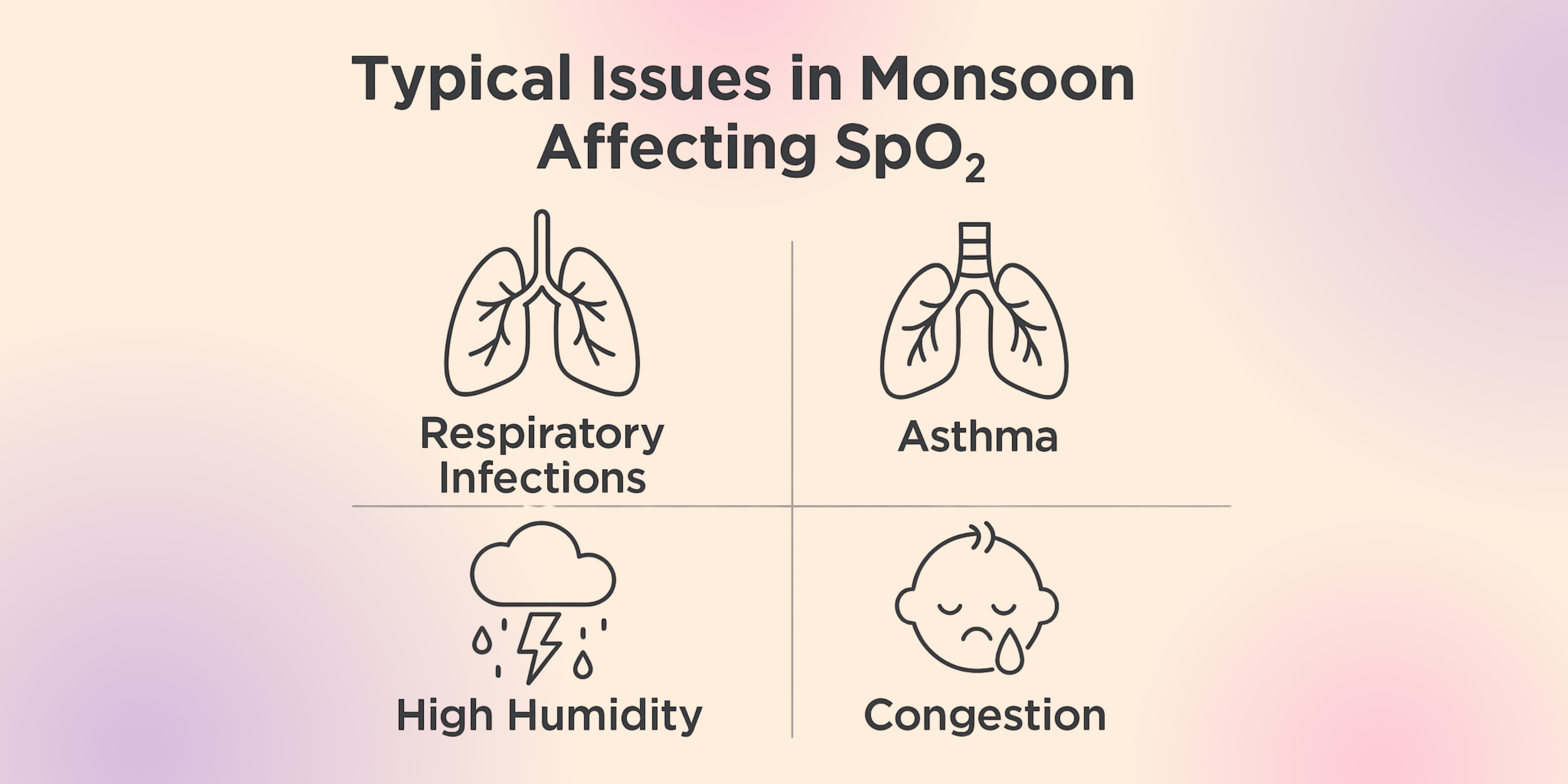
Typical Issues in Monsoon Affecting SpO₂
Practical Parent Tips to Control SpO₂ Levels
A Gentle Reminder for Parents
FAQs on SpO ₂ Monitoring During Monsoon
Final Words
The monsoon is a time of relief after the hot summer sun. The aroma of damp earth, the gentle breeze, and the pattering of raindrops tend to make this season quite refreshing. But for parents, it can also bring a good amount of anxiety, particularly for their little one's health.
With wetness, moisture, and an increase in seasonal illness, children tend to contract coughs, colds, or respiratory problems more readily at this time. One key health indicator that becomes very important in this season is SpO₂ (oxygen saturation) levels. Because their lungs and immune systems are still developing, newborns and infants aged 0–2 years require special attention when it comes to SpO₂ monitoring. Monitoring oxygen levels can help parents feel more at ease and determine whether their child needs medical help sooner rather than later.
What Are SpO₂ Levels and Why Do They Matter?
SpO₂ simply refers to the level of oxygen in the blood. For healthy children, this usually stays between 95–100%. When levels drop below this range, it may be a sign of breathing difficulty, infection, or another underlying issue.
In monsoon, respiratory conditions such as asthma, pneumonia, or an aggravated viral infection can play with oxygen absorption. Parents, therefore, need to take initiative in monitoring their child's breathing and making use of inexpensive instruments such as fetal or pediatric pulse oximeters if necessary.
Typical Issues in Monsoon Affecting SpO₂
Higher Respiratory Infections – The wet weather is ideal for viruses and bacteria to flourish, leaving children open to them.
Asthma Attacks – Mold and dust mites in the air can cause breathing problems.
Pollution Locks – Humid air holds pollutants for a longer period, making air quality worse.
Compromised Immunity – Seasonal changes make children's natural defense system weaker.
Practical Parent Tips to Control SpO₂ Levels
Make Fresh & Clean Air Available
Open windows when not raining heavily to provide ventilation. Use a dehumidifier if your house is too wet, this minimizes mold and dust, both of which impact breathing.Emphasize Immunity-Building Foods
Add seasonal fruits, hot soups, and Vitamin C-rich and antioxidant foods. Proper nutrition assists your child's body in resisting infections that can decrease oxygen levels.Ensure Proper Sleeping Posture
If your child is stuffy, slightly raising their head during sleep can help to unstuff their nose and facilitate breathing and oxygenation.Guard Against Abrupt Weather Changes
Bring a light sweater or scarf with your child when going out. Sudden transitions from warm to cold areas can cause breathing difficulties.Utilize a Pulse Oximeter If Unsure
If your child appears to be exhausted, breathes more rapidly than normal, or has bluish lips, take a check of their SpO₂. This little gadget can assist you in making an on-time choice regarding consultation with a doctor.Do Not Ignore Warning Signs
Immediately get your child to a doctor if their oxygen levels consistently fall below 94%, or if they seem to be extremely sleepy, having trouble breathing, or are unwilling to eat.
A Gentle Reminder for Parents
Monsoon season can be a bit nerve-wracking, with every cough and sneeze making you wonder. But remember, you're your child's best defense! Keeping an eye on their SpO₂ levels, maintaining a clean home, and boosting their immunity are all huge steps you're already taking to keep them safe. Being a parent isn't about stopping every sickness. It's about being ready to react with love, care, and quick action.
FAQs on SpO ₂ Monitoring During Monsoon
Why is SpO2 monitoring important for infants (0–2 years)?
Newborns and infants have developing lungs and weaker immunity. Seasonal infections, moisture, or traffic can quickly affect their oxygen intake. Monitoring helps in early discovery of problems.What's the normal SpO2 range for children?
For healthy children, oxygen saturation should remain between 95% and 100%. Readings below 94% need medical advice.How frequently should parents check SpO2 at home?
It isn't necessary to check constantly, but it’s better to be cautious. Use a baby monitor like Janitri Navam Baby Monitor to track your baby’s pulse rate and oxygen if your child has fever, cough, rapid breathing, or looks surprisingly tired.Can low SpO2 be managed at home?
Occasionally, mild drops can be managed by clearing nasal congestion, ensuring fresh air, or letting the child rest comfortably. But persistent low levels always need medical attention.Is monitoring necessary only when a child is sick?
No, the monsoon increases dangers for all children, especially newborns, premature babies, or children with asthma. Regular observation helps you stay ahead.
Final Words
Just like the seasons, the rain will come and go, but your child's health is always number one. With a calm mind and good care, monsoon can be a really fun and refreshing time for the whole family!