Importance of Blood Pressure Monitoring in Pregnancy
Aug 4 • 8 min read
Table of Content
Understanding Blood Pressure and Its Importance
The Role of Blood Pressure Monitoring in Pregnancy
1. Detecting Hypertension Early:
2. Managing Preeclampsia:
3. Ensuring Maternal and Fetal Health:
Blood Pressure Monitoring Techniques
1. Traditional Blood Pressure Cuff and Stethoscope:
2. Digital Blood Pressure Machines:
3. Ambulatory Blood Pressure Monitoring:
Benefits of Home Blood Pressure Monitoring
1. Convenience and Comfort:
2. Early Detection of Abnormalities:
3. Empowerment and Control:
Steps for Accurate Blood Pressure Monitoring at Home
1. Choose the Right Blood Pressure Machine:
2. Prepare for the Measurement:
3. Follow the Correct Procedure:
4. Keep a Record:
Recognising Pregnancy Symptoms and Their Relation to Blood Pressure
1. Early Pregnancy Symptoms:
2. Symptoms of Hypertension:
3. Importance of Routine Check-ups:
Managing Blood Pressure During Pregnancy
1. Healthy Diet:
2. Regular Exercise:
3. Stress Management:
4. Adequate Hydration:
5. Medication Management:
Conclusion
FAQs:
Maintaining healthy blood pressure during pregnancy is essential for the well-being of both the mother and the baby. To ensure you and your little one stay healthy, monitoring your blood pressure is key to a smooth and joyful experience. It's a time of joy, but also one that requires careful attention to health.
Among the many important aspects of prenatal care, monitoring your blood pressure is vital for ensuring the safety and well-being of both you and your little one.
Let's take a closer look at why keeping an eye on your blood pressure is so crucial during this extraordinary time in your life.
Understanding Blood Pressure and Its Importance
Blood pressure is the force exerted by circulating blood on the walls of blood vessels. It is measured in millimetres of mercury (mmHg) and reported as two figures:
- Systolic (the pressure when the heart beats)
- Over diastolic (pressure in the heart during rest).
A typical blood pressure reading is around 120/80 mmHg. Maintaining normal blood pressure is crucial during pregnancy, as deviations can lead to serious health complications.
The Role of Blood Pressure Monitoring in Pregnancy
Monitoring blood pressure during pregnancy is crucial for detecting hypertension, managing preeclampsia, ensuring both maternal and fetal health, and safeguarding the well-being of both mother and baby.
1. Detecting Hypertension Early:
Hypertension, or high blood pressure, is a condition that can develop during pregnancy. Known as gestational hypertension, it typically occurs after the 20th week of pregnancy. Regular blood pressure checks help in the early detection and management of this condition, preventing potential complications like preeclampsia.
2. Managing Preeclampsia:
Preeclampsia is a serious illness defined by elevated blood pressure and protein levels in the urine. It can lead to complications such as organ damage and restricted fetal growth. Blood pressure monitoring is vital for identifying preeclampsia early, allowing for timely medical intervention, and reducing risks for both mother and baby.
3. Ensuring Maternal and Fetal Health:
Regular monitoring of blood pressure helps maintain overall maternal health, directly affecting the baby’s development. Proper blood pressure regulation provides enough blood flow to the placenta, which supplies important nutrients and oxygen to the developing fetus.
Blood Pressure Monitoring Techniques
Discover the different techniques for monitoring blood pressure during pregnancy, from traditional methods to advanced digital devices, ensuring you can effectively manage your health and protect your baby.
1. Traditional Blood Pressure Cuff and Stethoscope:
The traditional method involves using a cuff and stethoscope to measure blood pressure manually. While accurate, it requires skill and practice, making it less convenient for home use.
2. Digital Blood Pressure Machines:
Digital BP machines are essential during pregnancy for convenient at-home monitoring, ensuring timely detection of any pressure abnormalities, and promoting proactive management of maternal health.
Janitri offers user-friendly digital BP monitors for easy and accurate home monitoring. Our wireless device provides you convenience and peace of mind, empowering pregnant women to regulate their health at any time and from any location.
3. Ambulatory Blood Pressure Monitoring:
This method involves wearing a portable blood pressure monitor for 24 hours to record readings at regular intervals. It provides a comprehensive overview of blood pressure fluctuations throughout the day and night, offering valuable insights for managing hypertension.
Benefits of Home Blood Pressure Monitoring
Monitoring blood pressure is crucial for pregnant women's health. Understanding the benefits of home monitoring can help them take control of their prenatal care.
1. Convenience and Comfort:
Home blood pressure monitoring allows expecting mothers to check their blood pressure in a relaxed and familiar environment. This simplicity promotes regular monitoring, resulting in improved health management.
2. Early Detection of Abnormalities:
Frequent home monitoring helps in the early detection of any deviations from typical blood pressure levels. Prompt identification of high or low blood pressure enables timely medical consultation and intervention.
3. Empowerment and Control:
Monitoring blood pressure at home empowers pregnant women to take an active role in their health care. It provides them with real-time data to share with their healthcare provider, fostering a collaborative approach to prenatal care.
Steps for Accurate Blood Pressure Monitoring at Home
Accurate blood pressure monitoring is crucial during pregnancy to detect any abnormalities. Follow these steps to ensure accurate blood pressure monitoring at home.
1. Choose the Right Blood Pressure Machine:
Select a reliable and validated digital BP monitor machine for accurate readings. Ensure the cuff fits properly, as an ill-fitting cuff can lead to incorrect measurements.
2. Prepare for the Measurement:
Take five minutes to sit quietly before reading. Caffeine, exercise, and smoking should be avoided at least 30 minutes before. Sit with your back supported, feet flat on the floor, and arms at heart level.
3. Follow the Correct Procedure:
Place the cuff on your upper arm according to the manufacturer's instructions. Press the start button on the blood pressure machine, and remain still and silent during the measurement. Take multiple readings and record the average for accuracy.
4. Keep a Record:
Maintain a log of your blood pressure readings, noting the date, time, and any relevant observations. Share this record with your healthcare provider during prenatal visits.
Recognising Pregnancy Symptoms and Their Relation to Blood Pressure
During pregnancy, it's crucial to recognise symptoms that may indicate changes in blood pressure. Early identification can lead to timely intervention, ensuring the well-being of both mother and baby.
Understanding these symptoms and the importance of routine check-ups is vital for a healthy pregnancy.
1. Early Pregnancy Symptoms:
Early pregnancy symptoms such as fatigue, nausea, and dizziness can sometimes overlap with signs of high or low blood pressure. Understanding these symptoms and their potential connection to blood pressure changes is crucial for timely intervention.
2. Symptoms of Hypertension:
Hypertension during pregnancy may present with symptoms like severe headaches, visual disturbances, swelling of the hands and feet, and sudden weight gain. Regular blood pressure checks help distinguish these symptoms from normal pregnancy-related changes.
3. Importance of Routine Check-ups:
Routine prenatal check-ups, including blood pressure monitoring, are essential for tracking the health of both mother and baby. These check-ups help in identifying any concerns early and implementing appropriate measures to address them.
Managing Blood Pressure During Pregnancy
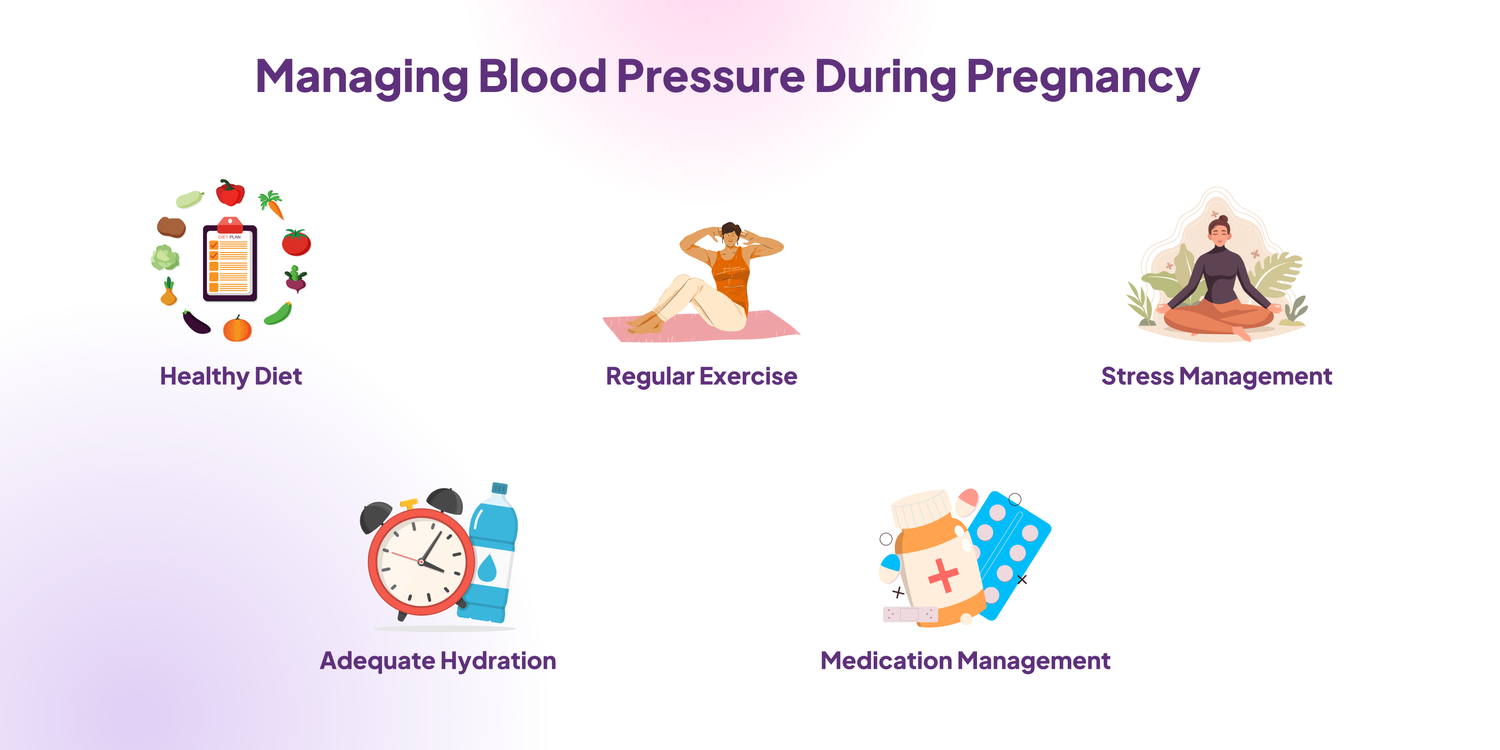
Maintaining healthy blood pressure during pregnancy is essential for the well-being of both the mother and the baby. Implementing strategies such as a balanced diet, regular exercise, stress management, adequate hydration, and medication management can help manage blood pressure levels. Understanding the importance of these measures is crucial for ensuring a healthy pregnancy and reducing the potential risks associated with hypertension.
1. Healthy Diet:
A balanced diet rich in fruits, vegetables, whole grains, and lean proteins helps maintain optimal blood pressure. Reducing salt intake and avoiding processed foods also contribute to better blood pressure control.
2. Regular Exercise:
Engaging in regular, moderate exercise such as walking, swimming, or prenatal yoga helps maintain healthy blood pressure levels. Before beginning any fitness routine, consult with your healthcare professional.
3. Stress Management:
Stress can negatively impact blood pressure. Practices like deep breathing, meditation, and prenatal massages can help reduce stress levels and promote overall well-being.
4. Adequate Hydration:
Staying well-hydrated supports overall cardiovascular health. Aim to drink plenty of water throughout the day to help maintain normal blood pressure levels.
5. Medication Management:
When taking blood pressure medications, follow your doctor's directions. Never discontinue or modify medicine without first visiting your doctor, since this might have major effects on your health and your baby's development.
Conclusion
Blood pressure monitoring during pregnancy is a vital aspect of prenatal care, ensuring the health and safety of both mother and baby. Regular monitoring helps in the early detection and management of hypertension and preeclampsia, reducing the risk of complications.
By understanding the importance of blood pressure checks, adopting healthy lifestyle practices, and collaborating with healthcare providers, expecting mothers can achieve a healthy and safe pregnancy journey.
Taking proactive steps to monitor and manage blood pressure promotes maternal and fetal well-being and empowers women to take charge of their health during this remarkable phase of life. So, invest in a reliable blood pressure machine, stay informed, and prioritise your health for a joyous and healthy pregnancy.
FAQs:
Q. Why is blood pressure monitoring important during pregnancy?
A: Blood pressure monitoring is crucial during pregnancy to detect and manage conditions like gestational hypertension and preeclampsia. Proper monitoring helps prevent complications and ensures both maternal and fetal health by maintaining optimal blood flow to the placenta.
Q. What are the signs of high blood pressure during pregnancy?
A: Signs of high blood pressure, or hypertension, during pregnancy may include severe headaches, visual disturbances, swelling of the hands and feet, and sudden weight gain. Regular blood pressure checks help identify these symptoms early.
Q. How can I monitor my blood pressure at home?
A: You can monitor your blood pressure at home using a digital blood pressure machine. Follow the manufacturer’s instructions, take multiple readings for accuracy, and keep a record to share with your healthcare provider.
Q. What should I look for when choosing a blood pressure monitor?
A: Choose a reliable, validated digital blood pressure monitor that is easy to use and provides accurate readings. Ensure the cuff fits properly, and consider features like portability, ease of recording, and connectivity to mobile apps.
Q. How often should I check my blood pressure during pregnancy?
A: The frequency of blood pressure monitoring depends on your specific health needs and your healthcare provider’s recommendations. Regular monitoring is important, especially if you have a history of hypertension or other related conditions.
Q. What is the best time to take a blood pressure reading?
A: For accurate results, take your blood pressure after sitting quietly for five minutes. Avoid caffeine, exercise, and smoking for at least 30 minutes before the measurement, and ensure you are in a comfortable position.