Hospitals
Maternal Monitoring in Hospitals: Methods & Best Practices
Oct 21 • 10 min read
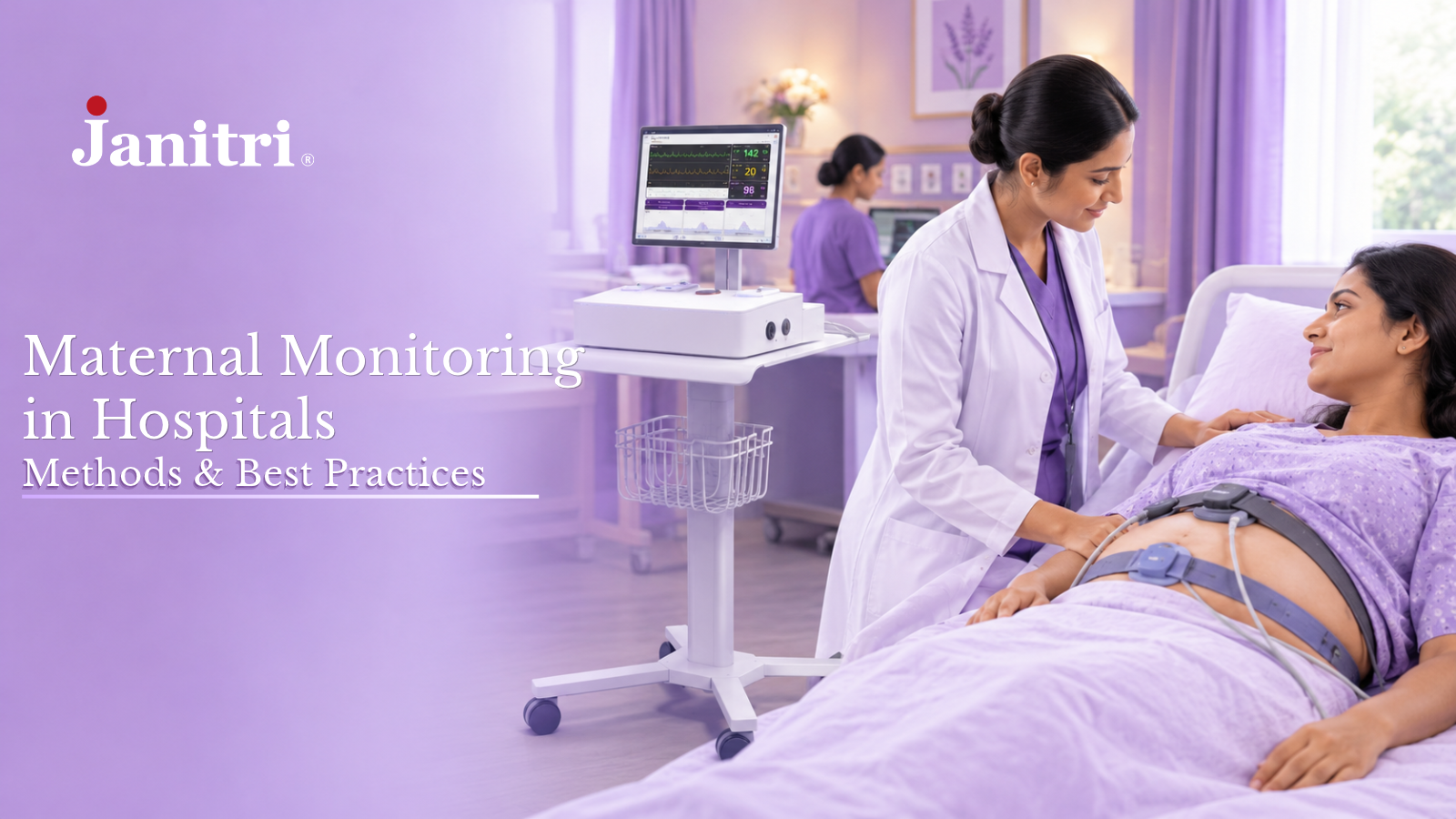
Table of Content
What Is Maternal Monitoring in Hospitals?
Why Is Maternal Monitoring Important?
1. Recognising postpartum haemorrhage
2. Identifying blood pressure concerns
3. Assessing possible infection
4. Supporting postpartum recovery
Key Parameters in Maternal Monitoring
What Is the Obstetric Shock Index?
Maternal Monitoring Methods: Manual and Digital Approaches
Manual maternal monitoring
Digital maternal monitoring
Manual versus digital monitoring
Maternal Monitoring Versus Fetal Monitoring
Best Practices for Maternal Monitoring in Hospitals
1. Follow approved clinical protocols
2. Establish clear escalation pathways
3. Review trends as well as individual readings
4. Document observations consistently
5. Train staff on equipment and workflows
6. Review digital system performance
How Should Hospitals Choose a Maternal Monitoring System?
How Janitri Fits into Hospital Monitoring Workflows
Frequently Asked Questions
What is maternal monitoring in a hospital?
Which vital signs are checked during maternal monitoring?
Why is postpartum monitoring important?
What is the difference between maternal and fetal monitoring?
What is an obstetric shock index?
Can digital monitoring replace manual observations?
What should hospitals check before purchasing a maternal monitoring device?
Does Janitri offer maternal monitoring solutions for hospitals?
Conclusion
Maternal monitoring in hospitals involves assessing a woman's vital signs, symptoms and clinical condition during pregnancy, labour and the period after childbirth. It helps healthcare teams identify changes in a patient's condition and decide when further assessment or intervention may be needed.
Effective maternal monitoring combines routine observations, clinical assessment, clear documentation and timely communication between healthcare professionals. Depending on the patient's condition, it may also involve digital monitoring systems that record vital signs, display trends or support clinical decision-making.
For hospitals, the goal is not simply to collect readings. It is to make sure that important changes are recognised, communicated and acted upon according to established clinical protocols.
What Is Maternal Monitoring in Hospitals?
Maternal monitoring is the ongoing or periodic assessment of a pregnant or postpartum woman's health. It includes measuring vital signs and checking for clinical changes that may require attention.
Common observations include:
Blood pressure
Heart rate and pulse
Respiratory rate
Body temperature
Oxygen saturation, when clinically indicated
Vaginal bleeding and uterine tone after childbirth
Urine output, symptoms and level of consciousness when relevant
The exact parameters and frequency of assessment depend on the stage of pregnancy, the type of delivery, the patient's medical history, current symptoms and the hospital's clinical protocols.
Maternal monitoring is different from fetal monitoring. Maternal monitoring assesses the mother's condition, while fetal monitoring evaluates the baby's wellbeing. Some integrated hospital systems support both types of monitoring.
Why Is Maternal Monitoring Important?
Maternal monitoring supports the early recognition of complications during pregnancy, labour and the postpartum period. Some conditions can develop or worsen quickly, making timely assessment and communication important.
1. Recognising postpartum haemorrhage
Postpartum haemorrhage (PPH) is excessive bleeding after childbirth and can become a medical emergency. Changes in heart rate, blood pressure, overall condition and measured blood loss may help clinicians assess the possibility of haemorrhage.
However, no single vital sign or monitoring value can reliably identify every case. Assessment should consider blood loss, uterine tone, symptoms, other observations and the patient's overall clinical condition.
The World Health Organization's recommendations on postpartum haemorrhage emphasise early recognition and timely response to bleeding.
2. Identifying blood pressure concerns
High blood pressure during pregnancy or after childbirth can indicate a serious condition, including pre-eclampsia. Symptoms such as a severe headache, visual changes or upper abdominal pain may also require urgent clinical assessment.
Hospitals need clear processes for recording blood pressure, recognising concerning readings and escalating findings to the appropriate clinician.
3. Assessing possible infection
Temperature, heart rate, symptoms and other clinical findings can help healthcare professionals assess possible infection. Fever or a change in a patient's condition should be interpreted in context rather than treated as an isolated measurement.
4. Supporting postpartum recovery
After delivery, healthcare teams assess recovery, bleeding, uterine condition, pain, mobility and other relevant observations. The assessment plan may differ after a vaginal birth, a caesarean section or a complicated delivery.
The WHO recommendations on postnatal care provide a reference for care during the period after childbirth. Hospitals should follow applicable national guidance and their approved clinical protocols.
Key Parameters in Maternal Monitoring
Maternal monitoring involves more than measuring blood pressure or pulse. The following parameters and observations may form part of a patient's assessment, depending on the clinical situation.
Parameter | What it helps assess | Important consideration |
|---|---|---|
Blood pressure | Hypertension and changes in circulation | Interpret readings alongside symptoms and clinical history |
Heart rate | Changes in cardiovascular response | A rising pulse may need further assessment, particularly when bleeding is suspected |
Respiratory rate | Changes in breathing and general condition | Unexpected changes require clinical evaluation |
Oxygen saturation (SpO₂) | Oxygen levels in the blood | Use when indicated and interpret in the clinical context |
Temperature | Possible fever or infection | Consider other symptoms and relevant findings |
Vaginal bleeding | Blood loss after delivery | Assess and measure blood loss according to clinical protocol |
Uterine tone | Uterine contraction after childbirth | An abnormal finding may require prompt assessment |
Urine output | Fluid balance and aspects of organ perfusion | Monitor when clinically indicated |
Level of consciousness | Neurological or general deterioration | Sudden changes require urgent clinical attention |
Not every patient needs every parameter measured continuously. Clinical teams should determine the appropriate observations and frequency based on the patient's needs and local protocols.
What Is the Obstetric Shock Index?
The obstetric shock index (OSI) is a clinical measure calculated by dividing heart rate by systolic blood pressure.
Formula: OSI = Heart rate ÷ Systolic blood pressure
For example, if a patient's heart rate is 100 beats per minute and systolic blood pressure is 100 mmHg, the calculated shock index is 1.0.
The shock index can provide additional information when clinicians assess possible haemodynamic changes, including those associated with blood loss. However, it must not be used alone to diagnose postpartum haemorrhage or determine treatment.
Interpretation depends on the patient's condition, the clinical setting, other observations and the protocol being followed. A reassuring value does not rule out a complication, and a single elevated value does not establish a diagnosis.
Hospitals evaluating maternal monitoring technology may consider whether automated shock index calculation and trend visibility fit their clinical workflow.
For an example of a dedicated solution, see Janitri Daksh SI Max. Hospitals should confirm its current specifications, intended use and configuration directly with Janitri before procurement.
Maternal Monitoring Methods: Manual and Digital Approaches
Hospitals may use manual observations, standalone medical devices, connected monitoring systems or a combination of these approaches.
Manual maternal monitoring
Manual monitoring involves healthcare professionals measuring and documenting observations using appropriate clinical equipment and hospital records.
Depending on the patient's needs, this may include blood pressure measurement, pulse assessment, temperature checks, symptom review and assessment of bleeding after delivery.
Advantages
Can fit established nursing workflows
Allows direct patient assessment alongside measurements
Can be implemented using standard clinical equipment
Considerations
Readings must be documented accurately
Changes between observations may not be captured by intermittent checks
Staff need a clear process for reviewing trends and escalating concerns
Digital maternal monitoring
Digital systems can support the collection, display, recording or review of selected clinical parameters. Depending on the specific device, they may offer trend visualisation, automated calculations, alerts or remote access to readings.
Potential benefits
Easier review of recorded measurements
Visibility of trends where supported
Structured digital documentation
Automated calculations for supported parameters
Improved access to information when the system provides connected viewing
These capabilities vary between products. Digital monitoring does not automatically mean continuous measurement, electronic health record integration or remote alerts. Hospitals should verify each function against the device's official specifications.
Digital systems also require appropriate training, device maintenance, defined escalation processes and staff who can respond to relevant findings.
Manual versus digital monitoring
Consideration | Manual approach | Digital approach |
|---|---|---|
Data collection | Staff measure and record observations | Depends on device and measurement method |
Documentation | Paper or existing hospital records | May support electronic recording |
Trend review | Staff compare recorded readings | Software may display trends |
Alerts | Staff follow clinical protocols and review findings | Automated alerts may be available on supported systems |
Integration | Depends on existing documentation workflow | Depends on verified compatibility and configuration |
Clinical responsibility | Healthcare professionals assess and act | Healthcare professionals remain responsible for assessment and response |
Neither approach removes the need for clinical judgement. Hospitals should choose an approach that fits patient needs, staffing, workflows and established protocols.
Maternal Monitoring Versus Fetal Monitoring
Maternal and fetal monitoring serve different purposes. Understanding the difference helps hospitals choose appropriate equipment and define monitoring workflows.
Aspect | Maternal monitoring | Fetal monitoring |
|---|---|---|
Main focus | Mother's health and physiological condition | Baby's heart rate and wellbeing |
Common measurements | Blood pressure, heart rate, temperature and other indicated observations | Fetal heart rate and, when assessed through CTG, uterine activity |
Common use | Maternal assessment during pregnancy, labour and after delivery | Assessment of the fetus during pregnancy or labour, depending on clinical indication |
Equipment | Vital-sign monitors and other appropriate clinical devices | Fetal Doppler, NST equipment or CTG systems, depending on the purpose |
Interpretation | Based on maternal findings and clinical context | Based on fetal findings and the clinical context |
Some integrated systems can display maternal and fetal parameters together. Hospitals should confirm which measurements each device supports rather than assuming all fetal monitors also measure maternal vital signs.
Explore Janitri's hospital monitoring solutions to review relevant fetal and maternal monitoring products.
Best Practices for Maternal Monitoring in Hospitals
A reliable monitoring process requires appropriate equipment, trained staff, accurate documentation and a clear response pathway.
1. Follow approved clinical protocols
Define which observations are required, when they should be taken and what findings require escalation. Protocols should reflect applicable guidelines, patient risk and the hospital's clinical governance process.
There is no single monitoring schedule suitable for every patient or every maternity setting.
2. Establish clear escalation pathways
Staff should know whom to contact when readings, symptoms or clinical findings raise concern. Escalation procedures should define responsibilities and support timely clinical review.
A monitoring device cannot replace an agreed response process.
3. Review trends as well as individual readings
A change over time may provide useful information. Where reliable trend data are available, healthcare teams can review them alongside current measurements, symptoms and other clinical findings.
Trend information should support assessment rather than replace it.
4. Document observations consistently
Accurate records help clinical teams communicate, review changes and maintain continuity of care. Hospitals should establish how readings are recorded, reviewed and made available to authorised staff.
5. Train staff on equipment and workflows
Training should cover correct device use, measurement limitations, data interpretation, alert handling, cleaning and maintenance. Staff should also understand what to do when readings are missing, inconsistent or unexpected.
6. Review digital system performance
Where digital monitoring is used, hospitals should assess whether the system fits their workflow. Relevant considerations include reliability, data access, alert configuration, technical support, connectivity and compatibility with existing records.
How Should Hospitals Choose a Maternal Monitoring System?
Before selecting a maternal monitoring device or connected system, hospitals should evaluate clinical requirements and practical implementation needs.
Use this checklist during vendor discussions:
Clinical purpose: Which patients and care settings will the system support?
Parameters: Which vital signs and clinical measurements does it actually capture?
Measurement method: Are readings intermittent, continuous or collected through another defined method?
Trend visibility: Can authorised staff review historical measurements?
Automated calculations: Does the system provide calculations such as shock index, if required?
Alerts: Are alerts available, configurable and appropriate for the intended workflow?
Documentation: How are readings stored, accessed and exported?
Integration: Is compatibility with the hospital's existing systems verified?
Training and support: What onboarding, maintenance and technical support are included?
Regulatory and quality requirements: Does the device meet the applicable requirements for its intended use?
Cost and configuration: What is included in the quotation, and are there additional costs for software, accessories, support or integration?
Scalability: Can the proposed setup support the hospital's planned deployment?
A demonstration should involve the clinical staff who will use the system. This helps the hospital evaluate practical usability, workflow fit and training needs before making a purchasing decision.
How Janitri Fits into Hospital Monitoring Workflows
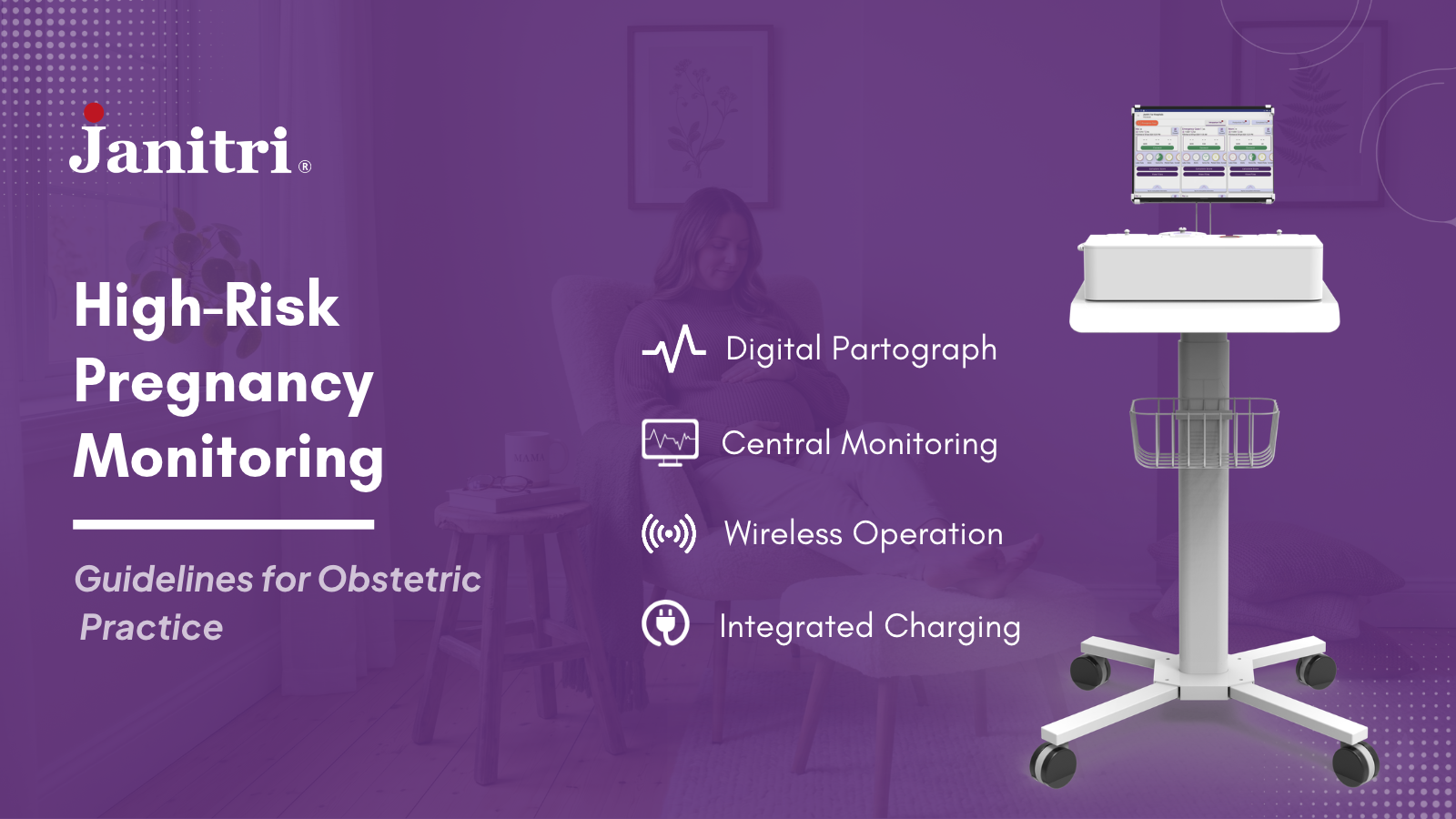
Hospitals exploring digital maternity-care solutions may assess devices according to the clinical problem they need to address.
For example, Daksh SI Max is a Janitri solution associated with obstetric shock index monitoring. Hospitals considering it should verify the supported measurements, calculation functionality, data display, accessories and implementation requirements with the company.
For fetal and combined monitoring requirements, hospitals can also review Keyar DT Max Plus, which Janitri describes as a CTG machine with shock index monitoring capabilities.
The right solution depends on the hospital's clinical requirements, intended use, existing workflows and technical environment. Product selection should follow clinical, technical and procurement review rather than relying on a feature list alone.
Frequently Asked Questions
What is maternal monitoring in a hospital?
Maternal monitoring is the assessment of a pregnant or postpartum woman's vital signs, symptoms and clinical condition. It helps healthcare professionals recognise changes that may require further assessment or intervention.
Which vital signs are checked during maternal monitoring?
Common observations include blood pressure, heart rate, respiratory rate and temperature. Oxygen saturation, urine output, bleeding, uterine tone and other findings may also be assessed when clinically indicated.
Why is postpartum monitoring important?
Monitoring after childbirth helps healthcare teams assess recovery and identify potential complications, including postpartum haemorrhage, hypertensive disorders and infection. The monitoring plan should reflect the patient's condition and applicable clinical guidance.
What is the difference between maternal and fetal monitoring?
Maternal monitoring assesses the mother's health. Fetal monitoring assesses the baby's heart rate and, in CTG, uterine activity. Some integrated systems support both, but their capabilities vary by device.
What is an obstetric shock index?
The obstetric shock index is calculated by dividing heart rate by systolic blood pressure. It can support the assessment of haemodynamic changes, but it cannot independently diagnose postpartum haemorrhage or determine treatment.
Can digital monitoring replace manual observations?
No. Digital systems may support measurement, documentation and trend review, depending on their features. They do not replace clinical examination, patient assessment, professional judgement or the need to respond to concerning findings.
What should hospitals check before purchasing a maternal monitoring device?
Hospitals should assess intended use, supported measurements, accuracy and validation, trend visibility, alerts, integration, staff training, regulatory requirements, maintenance, technical support and total implementation cost.
Does Janitri offer maternal monitoring solutions for hospitals?
Janitri offers hospital monitoring solutions, including Daksh SI Max for obstetric shock index monitoring and Keyar DT Max Plus for fetal monitoring with shock index capabilities. Hospitals should confirm current specifications and suitability for their intended clinical use with Janitri.
Conclusion
Maternal monitoring is an essential part of care during pregnancy, labour and the postpartum period. Reliable monitoring depends on appropriate clinical observations, accurate documentation, clear communication and timely escalation when concerns arise.
Digital monitoring systems can support these workflows when their capabilities match the hospital's requirements. However, equipment alone is not enough. Effective implementation requires trained staff, suitable protocols, ongoing evaluation and clinical judgement.
For hospitals evaluating maternal monitoring technology, the starting point should be a clearly defined clinical need. From there, teams can compare devices, verify product capabilities and select a solution that fits their care environment.
Clinical note: This article is for general educational purposes and is not a clinical protocol. Clinical teams should follow current national and local guidelines and their hospital's approved procedures.